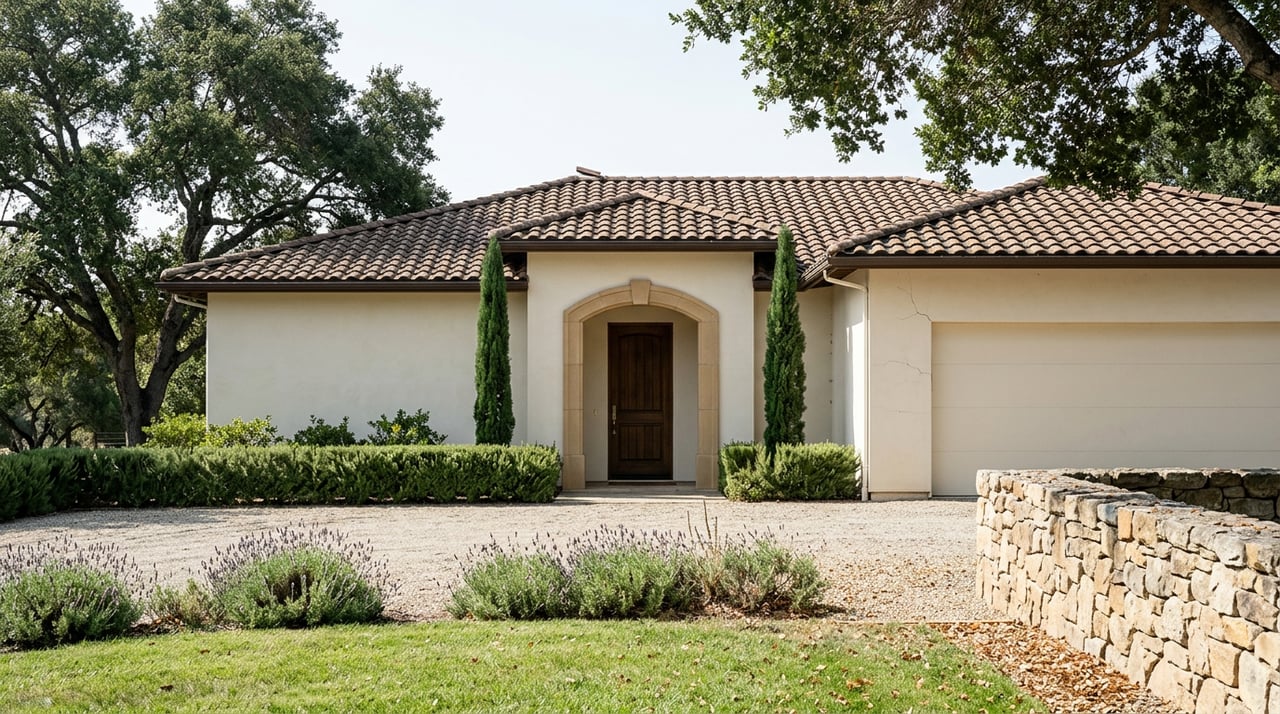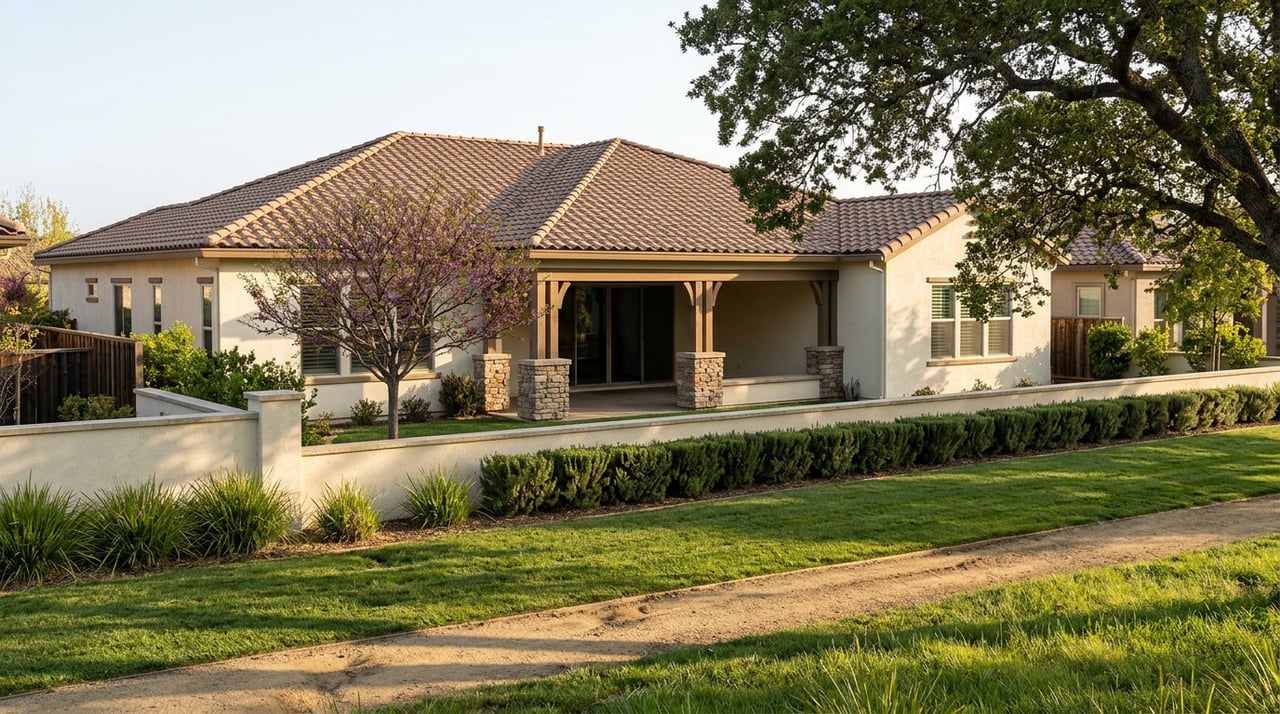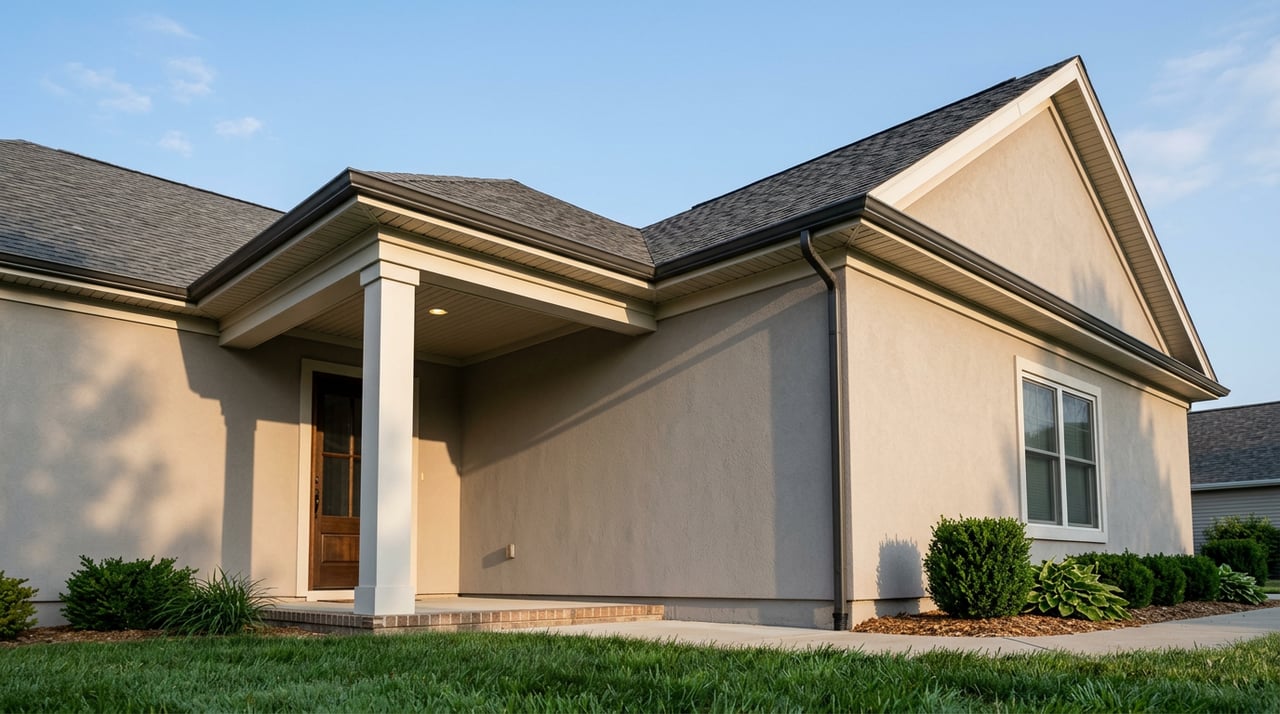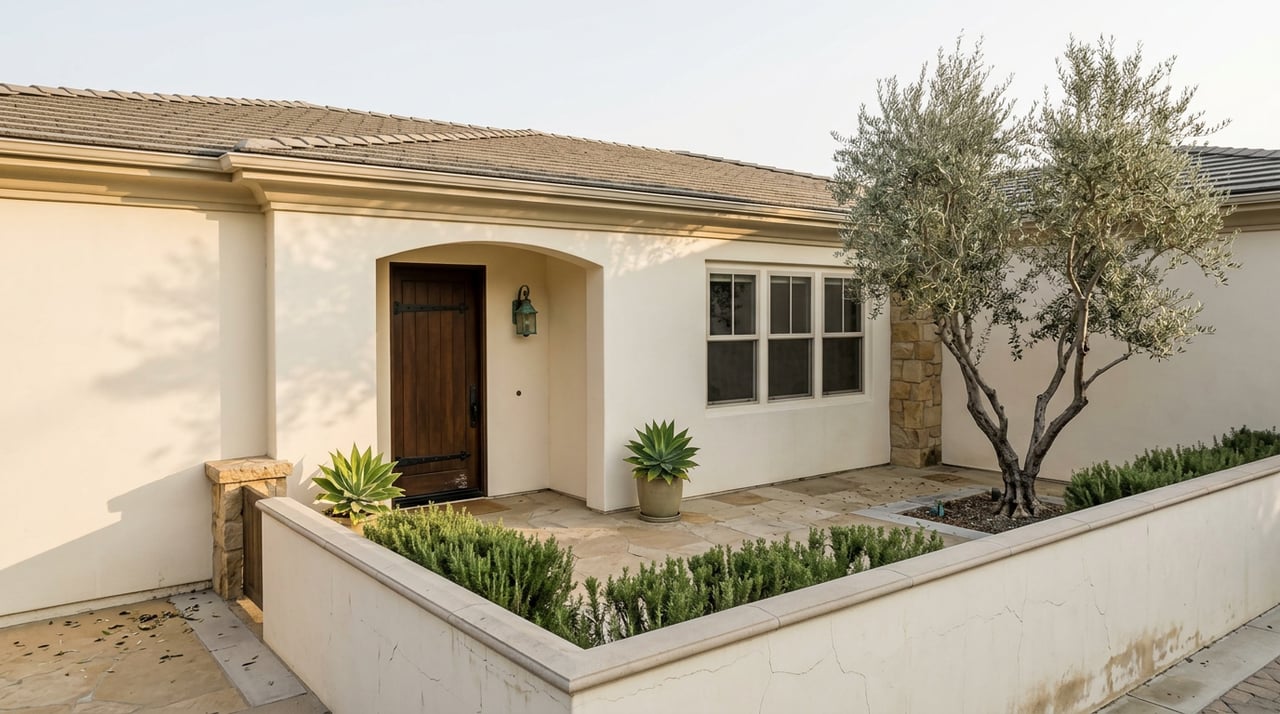
Feeling overwhelmed by all the floor plans, lots, and view options in Sun City Lincoln Hills? You’re not alone. With a wide mix of models and neighborhood settings, it can be hard to see which homes truly fit your lifestyle. In this guide, you’ll get a clear, practical way to compare models, weigh lot orientation and views, and zero in on the right fit. Let’s dive in.
Know the community context
Sun City Lincoln Hills spans roughly 3,000 acres and includes several thousand homes, which means a wide range of settings, elevations, and floor plans across the community. The scale also creates meaningful differences in privacy, exposure, and proximity to amenities. You’ll find two main lodge campuses, pools and fitness centers, 36 holes of golf, and miles of trails that help define how and where you may want to live. For a quick overview of amenities, explore the association’s summary of community facilities at Orchard Creek and Kilaga Springs.
Most homes were built between about 1999 and 2008, so you’re shopping primarily resale inventory with many distinct floor plans. Community profiles note 40-plus models, ranging from compact attached villas to larger single-family estate plans. You can confirm build years, plan variety, and general size ranges on independent community summaries.
What makes the models different
Attached villas vs. single-family
You’ll see two main product types. Attached villa homes are typically in two-story buildings with upper and lower units. These are popular if you want lower maintenance and a smaller footprint. Single-family detached homes are mostly single-story ranch plans. Many buyers prefer single-level living for everyday comfort and aging in place.
Sizes, bedrooms, and garages
Attached floor plans generally run about 900 to 1,500 square feet with one to two bedrooms and one to two baths. Single-family models range from about 900 to over 3,000 square feet, with one to four bedrooms and up to three and a half baths. Garages vary from one to three cars depending on the model, and some plans offer extended or 2.5- to 3-car configurations for extra storage or a golf cart. You’ll find these ranges reflected in third-party summaries of the community’s plan lineup on 55places.
Layout style and everyday flow
Think about how you live day to day. Some models feature a more open great-room concept for easy entertaining. Others keep separate living and dining rooms for a traditional feel. Many two-bedroom homes also include a den or office that doubles as a guest space. If you host visits, look for a true third bedroom or a den that converts comfortably to sleeping.
Single level vs. stairs
If you prefer to avoid stairs, focus on single-level ranch plans among the detached homes. Attached villas can include upper units that require stair access. Your comfort, mobility, and long-term plans should guide this choice.
Lot, orientation, and views
View types you’ll see
Common views include golf-course fairways and greens, ponds like Anglers Cove, preserved open space, and distant foothill horizons. These settings show up frequently in community descriptions and shape both lifestyle and pricing. You can browse the association’s amenity overview to see how golf, trails, and open areas are positioned within the community at the Sun City Lincoln Hills amenities page.
Why orientation matters
Orientation affects comfort and how you use outdoor spaces. In the Northern Hemisphere, south-facing exposure brings more consistent winter sun and can be favorable for passive solar and PV placement. West-facing backyards get hotter in late summer afternoons, which may affect evening patio time. North-facing rooms often receive cooler, even daylight. If you love late-day outdoor time, test the backyard at that hour. These are standard passive-solar design rules outlined in orientation guidance.
Slope, privacy, and microclimate
Slightly elevated lots can deliver sweeping views but may reduce flat, usable yard space. Mature trees add privacy and shade while increasing yard maintenance. Microclimates can vary across a 3,000-acre development, with wind and shade patterns changing by pocket. It’s smart to visit at different times of day and note sun, wind, and shade. The project’s scale and site engineering context are outlined in a community project overview.
Model names you’ll hear
Resale listings often identify homes by their original builder plan name, such as Alpine, Santa Cruz, Bridgegate, Baldwin, Sausalito, Tahoe, Lassen, or Tiburon, among others. Use the MLS plan name and confirm options with the listing agent or seller, since some models have variations. This helps you compare apples to apples when touring.
Match the model to your lifestyle
Use this quick mapping to narrow your shortlist:
- If you entertain often: Favor open great rooms, larger dining areas, and a smooth indoor-outdoor flow. Covered or extended patios help with hosting.
- If you need hobby or vehicle space: Look for models with 2.5- or 3-car garages or extended bays. Confirm electrical capacity and garage depth if you plan a workspace.
- If you garden: Prioritize a larger lot or side-yard access. Some standard lots are cozy, while others have room for raised beds and small orchards.
- If you host long-stay guests: Choose a true guest bedroom and second full bath, or ensure the den can convert comfortably to sleeping.
- If you have pets: Review HOA rules and confirm the yard size and enclosure meet your needs. Community documents and newsletters often discuss pet events and registration details. You can see examples of community rules and communications in resident documentation.
- If you want to age in place: Focus on single-level living, low thresholds, and baths that can support grab bars or curbless showers. AARP’s HomeFit resources give helpful room-by-room ideas for universal design, which you can review in the AARP HomeFit guidance.
Key systems to verify on resale
Plumbing: Kitec and early PEX
Many homes from the early 2000s era used plumbing systems that have known issues in some cases. Ask if any Kitec or early PEX components were replaced and request documentation. If replacement is needed, get a quote so you can negotiate. For background on material concerns and inspection tips, see this plumbing overview.
Roof, HVAC, and solar potential
Look for age and service records for the roof and HVAC. Some owners have added rooftop solar over the years. If solar is important, favor roof planes and lot orientations that suit panel placement, especially south-facing areas. The association has even pursued solar projects for community facilities in the past, as noted in a press release on local solar work.
A simple comparison process
Step 1: Set your hard priorities
Create three buckets before you tour:
- Must-haves: Single-story if needed, true bedroom count, usable garage size, minimum lot type (for example, backs to open space), accessible primary suite.
- Important but flexible: Den vs. third bedroom, larger yard, golf-course view.
- Nice to have: Extended garage, rooftop solar, documented repipe.
Step 2: Get pre-showing data
Ask the listing agent for the model name, original plan sheet if available, square footage, APN and lot size, year built, and seller disclosures on plumbing, roof, and HVAC. Check permit history for major upgrades. Pull nearby comparable sales for similar models to understand how lot type and views influence price per square foot.
Step 3: Use an on-site checklist
While touring, walk the daily paths you’ll use and visualize furniture placement. Check natural light at the times you’ll use each space. Open garage doors and measure depth if you have a truck or plans for a workbench. Note road noise, proximity to amenity parking, and rear-yard privacy. Quickly test faucets and HVAC if appropriate, and ask for proof of any repiping.
Step 4: Review HOA and CC&Rs
Request the full resale package, including CC&Rs, rules, budget, reserve study, recent meeting minutes, and any pending litigation. Confirm what dues cover today and whether special assessments are planned. Verify pet policies, golf cart registration requirements, RV or oversize vehicle storage rules, and how to get exterior modifications approved. Community communications and examples of registration processes appear in resident-facing documents.
Step 5: Inspect and negotiate with confidence
Hire a licensed home inspector and add trade specialists for roof, HVAC, or plumbing when indicated. If Kitec or early PEX is present or suspected, bring in a plumbing expert and get a written estimate so you can negotiate credits or a seller-paid replacement. If the lot’s view or privacy is a big part of your decision, ask your agent to pull focused comps so you can gauge any view premium appropriately. Market-specific data will help you decide how much extra to pay for a standout setting.
Quick scoring rubric you can use
Give each home a simple score out of 100 to compare across tours:
- Layout and flow: 25 points
- Garage and storage: 20 points
- Lot and views: 20 points
- Mechanical condition and systems: 15 points
- Proximity to preferred amenities: 10 points
- HOA rules and dues acceptability: 10 points
Add your notes for each category so you can rank homes by fit, not just by price.
Putting it all together
Comparing Sun City Lincoln Hills home models gets easier when you match your must-haves to the right plan type, then layer in lot, orientation, and systems. Start with single-level vs. stairs, decide on true bedrooms vs. a den, and right-size your garage. From there, test the backyard sun and privacy, and confirm the big-ticket items like plumbing and HVAC. A little structure turns a big community into a short, confident shortlist.
If you’d like a resident’s perspective and a private tour plan tailored to your goals, reach out to Shawn Claycomb. As a local Sun City Lincoln Hills homeowner with a financial-planning background, Shawn will help you compare models, evaluate tradeoffs, and move forward with clarity.
FAQs
How many home models are in Sun City Lincoln Hills?
- Community summaries report 40-plus distinct floor plans across attached villas and single-family homes. You can see ranges and context on 55places.
What size homes can I expect in this community?
- Attached villas are commonly around 900 to 1,500 square feet, while single-family plans range from roughly 900 to over 3,000 square feet, with matching bedroom and bath counts to fit different needs.
Which backyard orientation is best for everyday comfort?
- Preferences vary, but south-facing exposure offers more winter sun and can suit solar, while west-facing yards get hotter in late summer afternoons. See general orientation guidance for what to expect.
Do homes here have Kitec or early PEX plumbing issues?
- Some early-2000s builds used systems that may have known issues. Ask about replacements and permits, and consult a plumbing specialist. Learn more from this plumbing overview.
How do HOA rules affect my day-to-day living?
- Review the resale package for current rules on pets, golf carts, RV storage, and exterior changes, and check what dues cover today. See examples of community communications in resident documentation.
Do golf-course and open-space views impact pricing?
- Yes, view quality often carries a premium. The exact amount is market-specific, so ask your agent for focused comps to understand today’s range in Sun City Lincoln Hills.