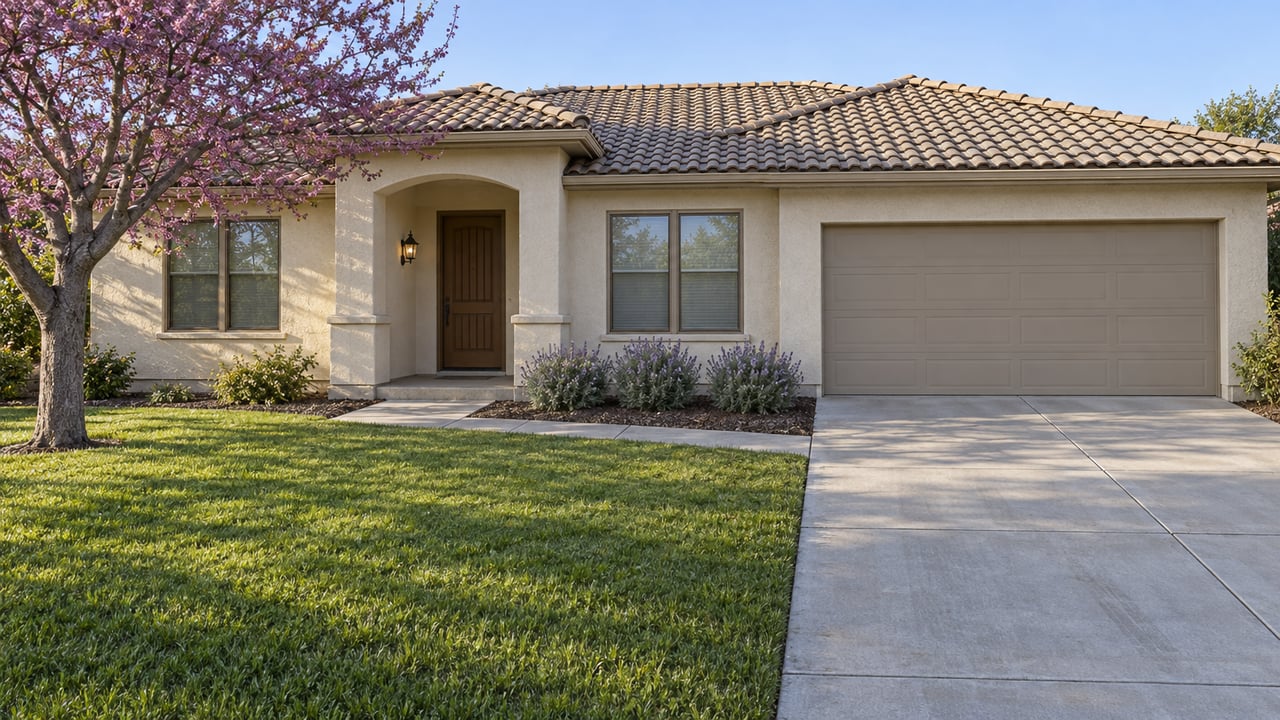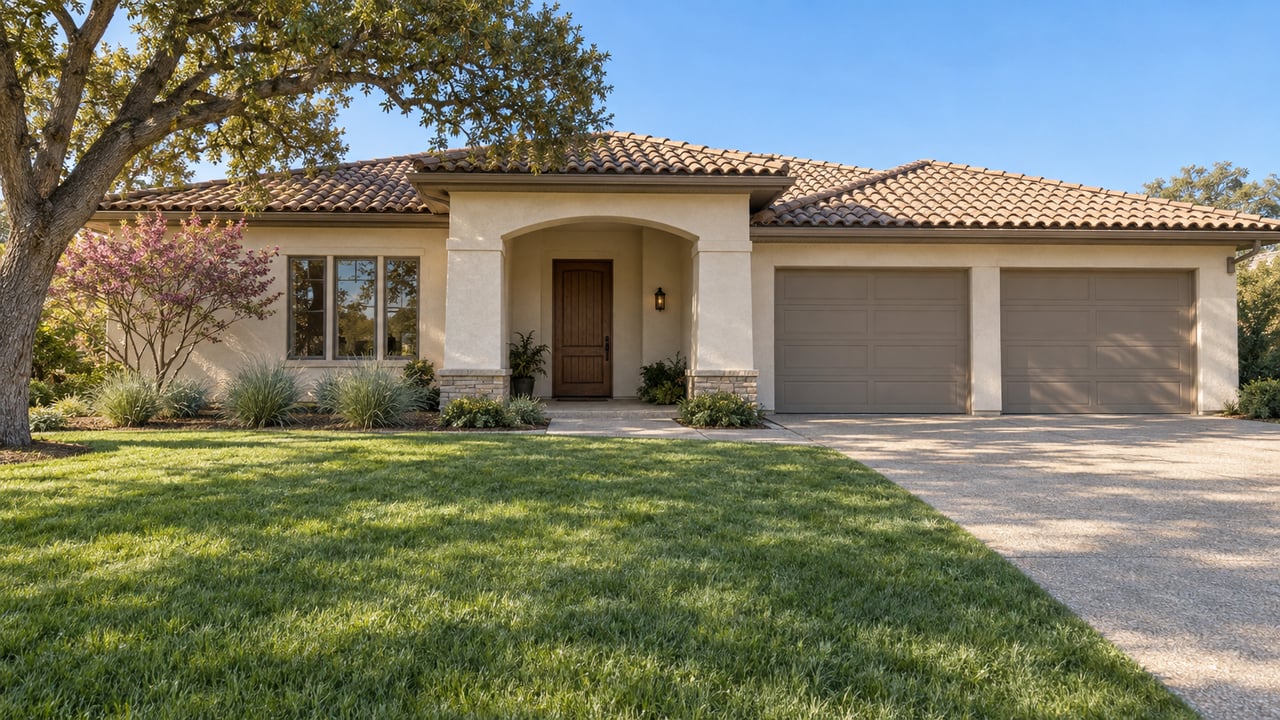
If you are buying in Rocklin, one of the first questions you may face is surprisingly simple: Do you want an established neighborhood or a newer one? That choice can shape everything from lot size and maintenance needs to trails, parks, and how the area feels day to day. Rocklin offers both, and because the city has grown in distinct phases, you can compare very different neighborhood styles within the same market. Let’s break down what that means for you.
Rocklin offers both old and new
Rocklin is not a one-style housing market. According to the city’s 2021 housing element, 68% of housing units were built in 1990 or later, while 32% were built before 1980. That mix helps explain why buyers often compare older built-out areas with newer planned communities in the same search process.
City history and planning materials show how that mix developed over time. Central Rocklin and Downtown are the city’s oldest home areas, while Sunset Whitney dates largely to the late 1950s and early 1960s. Later growth brought areas like Stanford Ranch, which began in the 1980s, and Whitney Ranch, which was annexed in 2003 and planned as a major expansion area.
For you as a buyer, that means Rocklin gives you real choices. You are not just picking a home. You are choosing between different development patterns, maintenance expectations, and neighborhood layouts.
What established neighborhoods offer
Established neighborhoods in Rocklin often appeal to buyers who want a more rooted, lived-in feel. Central Rocklin and the Quarry District form the city’s oldest civic core, with City Hall, Fire Station 23, historic sites, and Johnson-Springview Park all located in that area. If being closer to the historic center matters to you, older neighborhoods may feel like a natural fit.
These areas also tend to show more mature landscaping. For example, Woodside Park features decomposed granite pathways through large oak trees, and Mansion Oaks Park was designed around oak trees and an original granite bridge from the Whitney property. That kind of setting can create a different visual experience than a newer tract with younger landscaping.
Established does not mean one-size-fits-all. The city notes that Woodside includes single-family homes, duplexes, a senior apartment complex, a neighborhood park, a shopping center, and office buildings. In practical terms, some older parts of Rocklin can offer a convenient mix of housing and daily services.
Established neighborhood trade-offs
Older neighborhoods often require more home-by-home review. Because the housing stock developed over a longer period, you may see more variation in updates, lot shapes, landscaping, and overall condition from one property to the next. Two homes on the same street may present very different maintenance needs.
That does not mean older automatically means higher maintenance. It means you should look carefully at each property’s systems, upgrades, and repair history. If you like character, mature trees, and less uniform streetscapes, this extra review may be well worth it.
From a planning standpoint, older areas may also feel more varied. For some buyers, that variety is a plus. For others, especially if you want more predictability in home style or upkeep, a newer area may feel easier to evaluate.
What newer neighborhoods offer
Newer neighborhoods in Rocklin often center around master-planned development. Whitney Ranch is the clearest example. City planning documents say the 1,300-acre area was annexed in 2003 and planned for up to 2,889 single-family dwellings, 1,426 multifamily dwellings, 57.3 acres of public parks, 199.8 acres of open space, and multiple school sites.
That kind of planning often creates a more coordinated neighborhood experience. Streetscapes may feel more consistent, community amenities may be built into the layout, and common areas may be maintained in a more standardized way. If you want a neighborhood that feels newer and more planned from the ground up, this can be a strong advantage.
Newer areas also tend to integrate recreation into daily life. Whitney Park includes sports fields, playgrounds, pathways, a water play area, restrooms, and a bridge connection over open space. The nearby Sunset Whitney Recreation Area includes more than 180 acres of open space and miles of walking trails, with additional future amenities approved by the city.
Newer neighborhood trade-offs
The biggest trade-off in newer neighborhoods is often lot pattern and outdoor space. In a 2017 Whitney Ranch Phase III planning report, one subdivision area was described as a small-lot, alley-loaded single-family development with lot sizes ranging from 1,858 to 5,347 square feet and an average lot size of 2,342 square feet. That gives you a useful example of how compact some newer homes can be.
That same report also noted that the alleys would be privately owned and maintained by the homeowners association, and that certain landscape lots would also be HOA maintained. For some buyers, that structure supports lower personal upkeep of shared areas. For others, HOA dues and rules are an important part of the decision.
This is where lifestyle matters. If you prefer less private yard space and more coordinated neighborhood maintenance, a newer area may fit well. If you want more flexibility in outdoor use or fewer shared-maintenance structures, you may lean toward an established neighborhood instead.
Parks and access across Rocklin
One helpful point for buyers is that Rocklin offers recreation access across the city, not only in one type of neighborhood. The city reports 38 developed parks and more than 200 acres of open space, so both older and newer areas benefit from public amenities.
The difference is often how those amenities show up. In older areas, parks may feel tied to mature trees, civic spaces, and long-established gathering places. In newer communities, parks and trails may be designed as part of a broader master plan with newer playgrounds, connected paths, and open-space corridors.
How to compare your options
When you are deciding between established and newer neighborhoods in Rocklin, it helps to compare more than appearance. A smart comparison includes layout, cost, upkeep, and how you want to live day to day.
Here are a few practical ways to evaluate your options:
Compare lot and home patterns
Look beyond photos and focus on the parcel itself. Newer neighborhoods may offer a more uniform product, but some can be compact. Older neighborhoods may have less consistency, but also more variation in lot shape, landscaping, and setbacks.
Review maintenance realistically
Try to separate neighborhood charm from home condition. An older home may need more near-term updates or repairs, while a newer home may shift some upkeep into HOA-managed common spaces and monthly dues. Neither approach is better for every buyer.
Think beyond sticker price
Your total cost of ownership matters more than the list price alone. In an older home, you may want reserves for updates or future repairs. In a newer neighborhood, HOA dues and smaller private outdoor space may be part of the trade-off.
Match the area to your routine
If you value proximity to Rocklin’s historic core, civic buildings, and long-established parks, older areas may line up with your priorities. If you prefer planned trails, coordinated amenities, and newer-feeling streetscapes, a newer neighborhood may be the better fit.
Which Rocklin neighborhood style fits you?
If you are drawn to mature trees, established streets, and a setting closer to Rocklin’s historic center, areas such as Central Rocklin, the Quarry District, Woodside, and Sunset Whitney may be worth a closer look. If you prefer more planned amenities and a newer development pattern, Whitney Ranch, Sunset West, and newer sections of Stanford Ranch may better match your goals.
The right answer often comes down to your comfort with maintenance, HOA structure, and yard size. If you are planning a move that also ties into retirement, downsizing, or long-term financial goals, those trade-offs become even more important. A neighborhood that looks right on paper should also fit the way you want to live and what you want to spend over time.
If you want help comparing Rocklin neighborhoods with both lifestyle and long-term ownership costs in mind, Shawn Claycomb can help you evaluate the options with a calm, practical approach.
FAQs
What is the difference between established and newer neighborhoods in Rocklin?
- Established neighborhoods in Rocklin often offer mature landscaping, older-home character, and closer access to the historic core, while newer neighborhoods often feature planned parks, trails, newer infrastructure, and more standardized home layouts.
Are newer neighborhoods in Rocklin usually smaller lot communities?
- Some are. A Whitney Ranch Phase III planning report showed lot sizes ranging from 1,858 to 5,347 square feet, with an average of 2,342 square feet, which illustrates how compact newer neighborhoods can be.
Do established neighborhoods in Rocklin always need more repairs?
- Not always. Older neighborhoods usually require more property-by-property review because home condition, updates, and maintenance levels can vary more from one home to another.
Are HOA-maintained areas more common in newer Rocklin neighborhoods?
- They often are. In Whitney Ranch Phase III, private alleys and certain landscape lots were owned and maintained by the homeowners association, showing how shared maintenance can be part of the newer neighborhood model.
Do both older and newer Rocklin neighborhoods have access to parks?
- Yes. Rocklin has 38 developed parks and more than 200 acres of open space, so both older and newer neighborhoods benefit from recreation access, though the park styles and layouts may differ.
Which Rocklin neighborhoods should I consider if I want an established feel?
- Buyers who want an established feel often start by exploring Central Rocklin, the Quarry District, Woodside, and Sunset Whitney because those areas align with Rocklin’s older development pattern.