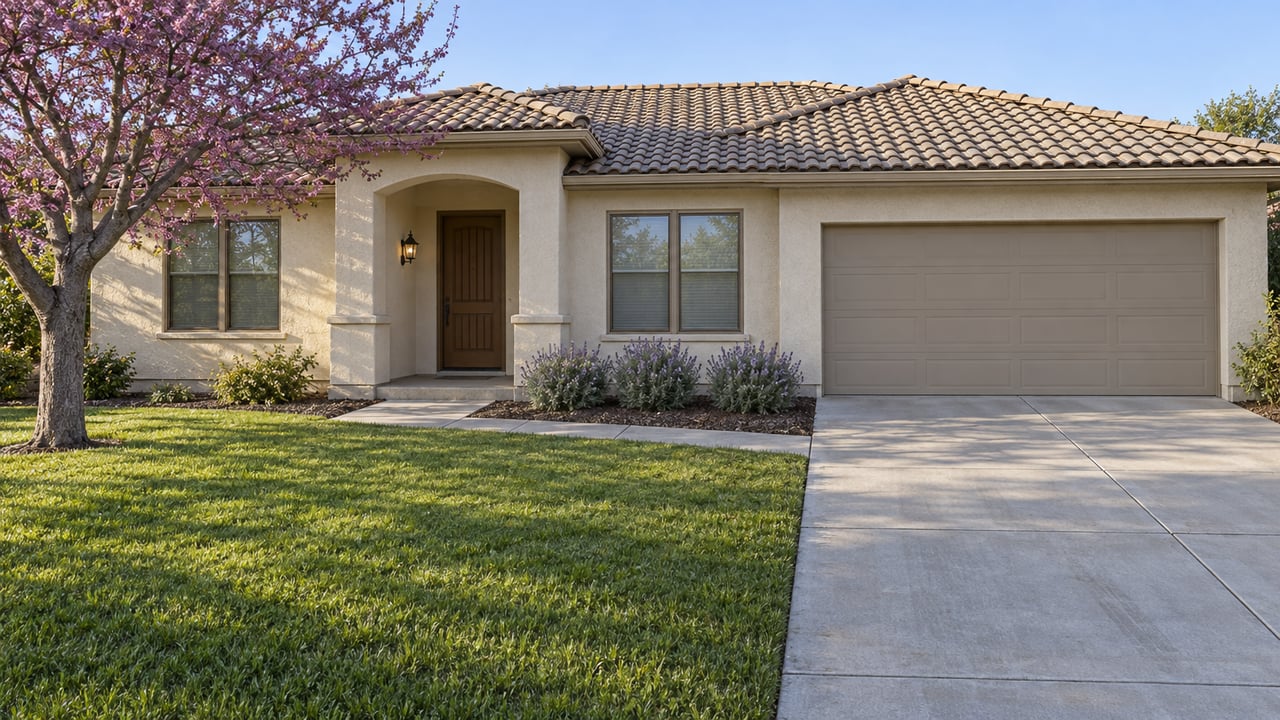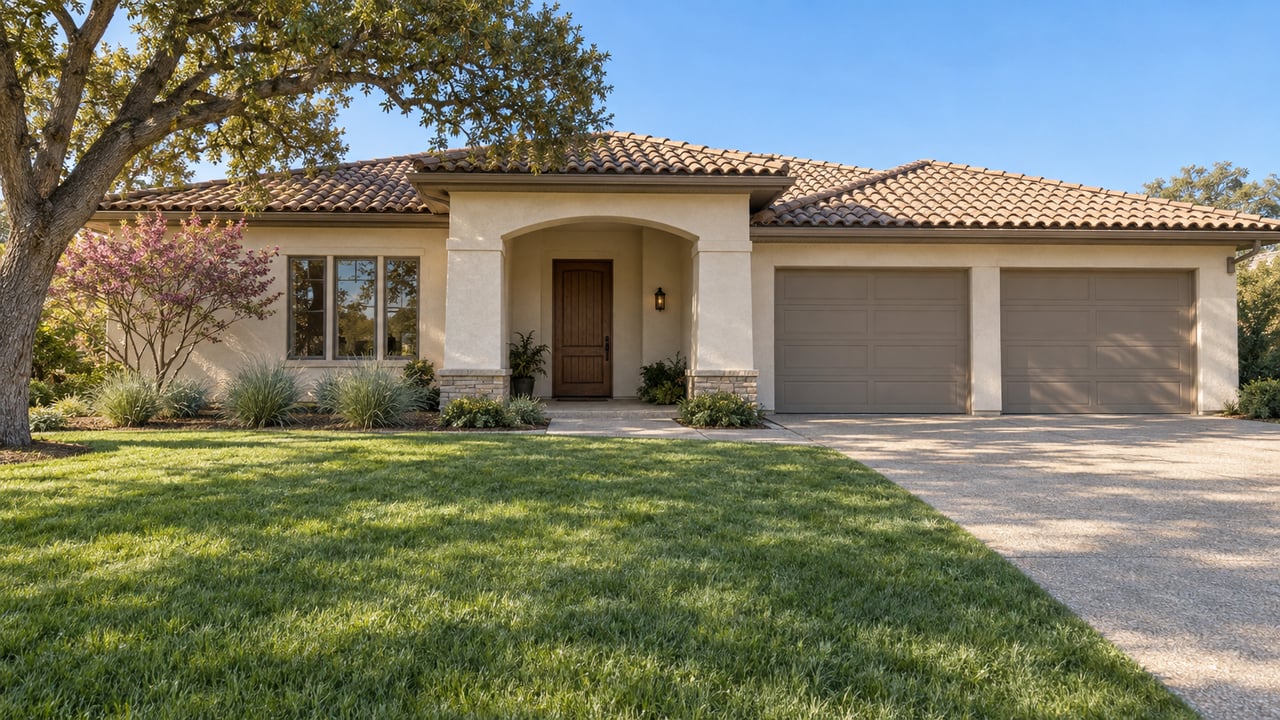
If you are trying to choose the right Roseville neighborhood, you are not just picking a house. You are choosing a daily routine, a commute pattern, a housing style, and a long-term fit for your lifestyle. In a city as large and fast-growing as Roseville, those differences can feel overwhelming at first. The good news is that once you narrow your search by budget, location, and how you want to live, the options become much easier to compare. Let’s dive in.
Start With Your Daily Priorities
Before you compare neighborhoods, it helps to step back and define what matters most to you. In Roseville, the biggest first filters are usually budget, commute, and housing type.
According to the U.S. Census QuickFacts for Roseville, the city has 163,304 residents, a 68.8% owner-occupied housing rate, a median owner-occupied home value of $661,400, a median gross rent of $2,142, and a mean commute time of 27.3 minutes. Those citywide numbers give you a helpful baseline, but your monthly cost and day-to-day convenience can still vary a lot depending on neighborhood, HOA dues, and home age.
A simple way to begin is to ask yourself a few practical questions:
- Do you want an older home, newer construction, or a 55+ community?
- Will you commute most often via I-80, Highway 65, or local streets?
- Do you want a more established area or one that is still growing?
- How important are nearby parks, trails, and recreation spaces?
- Do you need to verify a specific school assignment by address?
Understand Roseville’s Main Neighborhood Types
One of the most helpful things to know about Roseville is that neighborhood differences are often built into the city’s planning structure. The city includes an Infill Area plus multiple specific plan areas, which means some parts of Roseville feel older and more established, while others are newer and still being built out.
Older Core and Downtown
Roseville’s Infill Area is the city’s oldest section and was the center of growth until the early 1980s. It is close to fully developed and includes residential areas mixed with commercial and industrial uses.
Within that area, the Downtown Specific Plan covers 176 acres and includes Historic Old Town, the Vernon Street District, and Royer and Saugstad Parks. The city plans for about 900,000 square feet of new ground-floor retail and 1,020 residential units there. If you like older housing stock, a central location, and a more mixed-use setting, this part of Roseville may be a natural place to start.
East Roseville and Established Suburban Areas
East Roseville often appeals to buyers who want established neighborhoods and access to major civic amenities. The Douglas-Sunrise Corridor Specific Plan supports reinvestment and redevelopment east of Interstate 80, centered around Douglas Boulevard and Sunrise/North Sunrise Avenue, and allows for up to 600 additional residential units.
The nearby Stoneridge area includes 2,861 single- and multi-family units along with commercial space, parkland, open space, a school site, and a fire station. East Roseville is also home to Maidu Regional Park, a 152-acre park with the Maidu Community Center, Maidu Branch Library, Maidu Museum & Historic Site, sports fields, a skate park, and bike paths. If you want a neighborhood that feels established and connected to everyday amenities, East Roseville deserves a close look.
West Roseville and Newer Growth Areas
If you are drawn to newer construction and neighborhoods that are still maturing, West Roseville is often the first area buyers compare. The West Roseville Specific Plan covers 3,162 acres and includes 8,792 single- and multi-family units, around 704 age-restricted units, 255 acres of parkland, and 705 acres of open space.
The Sierra Vista area adds another 8,679 units across 2,064 acres, plus commercial land, open space, and school sites. City park planning also shows new neighborhood parks planned or under construction in Campus Oaks and Sierra Vista. This side of Roseville can be a strong fit if you want a newer home, more planned open space, and the feel of a neighborhood that is continuing to develop over time.
Active Adult Communities
If you are specifically looking for a 55+ lifestyle, Roseville has a clear option. The Del Webb Specific Plan is an age-restricted active adult community north of Pleasant Grove Boulevard and east of Fiddyment Road.
This area is primarily made up of single-family homes centered around recreation, including 27 holes of golf, private recreation centers, public parks and preserves, and community commercial centers. For downsizers or buyers who want a recreation-focused, lower-maintenance lifestyle, this type of neighborhood often rises quickly to the top of the list.
Match the Neighborhood to Your Commute
A neighborhood can look perfect on paper but still feel wrong if the weekly drive does not fit your routine. Roseville’s citywide mean commute is 27.3 minutes, but what matters most is how easily you can reach the roads and destinations you actually use.
A helpful rule of thumb is this:
- Downtown and infill areas may suit more central-city trips
- East Roseville may be more convenient for I-80 and Douglas-Sunrise access
- West Roseville may fit Highway 65 and west-side travel patterns better
That framework comes from the locations of the city’s plan areas and transportation network, but you should still confirm it with a map and a test drive at the same time of day you would normally travel.
Roseville also offers local transit, commuter service, and Arrow on-demand service. Fixed local routes run Monday through Saturday, commuter routes serve downtown Sacramento during weekday peak periods, and Arrow runs seven days a week. If transit matters to your routine, it is worth checking whether a neighborhood lines up with the route you would realistically use.
Compare Parks, Trails, and Everyday Lifestyle
Lifestyle is not just about the home itself. It is also about what is nearby when you want to get outside, run errands, or enjoy community amenities.
Roseville has a substantial recreation network. According to the city and public works information cited in the research, Roseville includes 45 miles of trails, more than 173 miles of bike lanes, and 400 miles of sidewalks. Neighborhood parks are generally designed to serve homes within about a half-mile to one-mile radius, which makes close-to-home recreation an important factor when comparing one area to another.
The type of recreation also changes by location. East Roseville is known for major established amenities like Maidu Regional Park. West Roseville includes newer destination spaces like the Placer Valley Soccer Complex and Campus Oaks Park, with additional park development still underway in some areas. You can review current park development activity when you want a clearer picture of what is already complete and what may still be coming.
Verify School Boundaries by Address
If school assignment is part of your decision, do not rely on a neighborhood name alone. In a growing city like Roseville, boundaries and enrollment patterns can shift.
The Roseville City School District serves more than 12,500 preschool-to-8th-grade students at 21 schools. Roseville Joint Union High School District advises families to enter a home address to find the designated school, and Center Joint Unified School District also serves parts of Roseville.
Because new development has affected enrollment and transfer availability, the safest step is to verify school assignment by exact property address before you make a final decision. This is especially important in areas with ongoing growth and new-home development.
Review HOA Rules Early
In Roseville, HOA details are not a minor afterthought. In many planned neighborhoods, especially newer or age-restricted communities, HOA rules and deed restrictions can affect both your monthly budget and how you use the property.
The city’s specific plans planning page notes that area-specific regulations and design criteria may apply, and planned communities often add another layer of HOA rules or CC&Rs. That means you should request and review these documents early in the process.
Your checklist should include:
- Monthly HOA dues
- Special assessments
- Exterior standards
- Parking rules
- Rental restrictions
- Any other parcel-specific CC&R obligations
This is especially important if you are comparing a newer master-planned neighborhood with an older, more established part of the city.
Use a Simple Decision Framework
If you are feeling stuck between several Roseville neighborhoods, simplify the process by ranking your priorities first.
If Budget Comes First
Use the citywide median home value of $661,400 as your starting point, then compare how home age, neighborhood type, and HOA dues may change your total monthly cost. Two homes with similar prices can still feel very different financially once you account for dues, maintenance expectations, and commute costs.
If Commute Matters Most
Group neighborhoods by access pattern instead of by marketing label. Think about whether you need downtown Sacramento access, I-80, Highway 65, or mostly local errands, then narrow your search based on the roads you will use every week.
If Lifestyle Is the Main Goal
Use these neighborhood archetypes as a quick guide:
- Downtown/Infill: older character and mixed-use surroundings
- East Roseville: established suburban setting with major amenities nearby
- West Roseville: newer construction and ongoing amenity build-out
- Del Webb: active adult recreation-centered living
If Long-Term Fit Is Your Priority
Look beyond what the neighborhood feels like today. Ask how much future construction is still expected nearby, verify school assignment if needed, and review HOA obligations early so there are no surprises later.
How to Tour Roseville Neighborhoods Smarter
Once you narrow the field, your next step is to see how each area feels in real life. Online photos and maps help, but they do not tell you what your routine will actually look like.
Try this approach:
- Tour neighborhoods at the time of day you would usually leave or return home.
- Drive the route to the places you visit most often.
- Visit a nearby park, trail, or community area.
- Ask for HOA documents early when the property is in a planned community.
- Verify school boundaries by exact address if that matters to you.
- Check whether the area is mostly built out or still seeing active development.
This kind of side-by-side comparison makes the right choice much clearer, especially if you are balancing retirement goals, downsizing plans, or a move tied to long-term lifestyle needs.
Choosing the right Roseville neighborhood is really about aligning your home search with the way you want to live. When you compare budget, commute, housing style, recreation access, and long-term fit in a structured way, the best match usually becomes much easier to spot. If you want a calm, informed second opinion as you sort through Roseville options, Shawn Claycomb can help you evaluate neighborhoods with both local insight and practical guidance.
FAQs
What should you compare first when choosing a Roseville neighborhood?
- Start with budget, commute, and housing type, then compare lifestyle factors like parks, HOA rules, and how established the area is.
Which Roseville neighborhoods have older homes and a central location?
- Roseville’s infill and downtown areas are the city’s older core and are often the best fit if you want older housing stock and a more central setting.
Which Roseville neighborhoods are known for newer construction?
- West Roseville, including areas such as Sierra Vista, Westpark, and Campus Oaks, is often the top choice for buyers looking for newer homes and neighborhoods that are still developing.
What is the main 55+ neighborhood option in Roseville?
- The Del Webb specific plan area is Roseville’s clearest active adult option for buyers seeking an age-restricted, recreation-centered community.
How can you verify school boundaries for a Roseville home?
- Check school assignment by exact property address with the applicable district, since boundaries, enrollment patterns, and transfer availability can change.
Why do HOA rules matter in Roseville planned communities?
- HOA dues, CC&Rs, parking rules, rental restrictions, and exterior standards can all affect your budget and how you use the property, so those documents should be reviewed early.