California Home Insurance Shake‑Up: What a 30% FAIR Plan Rate Hike Means for Homeowners in 2026
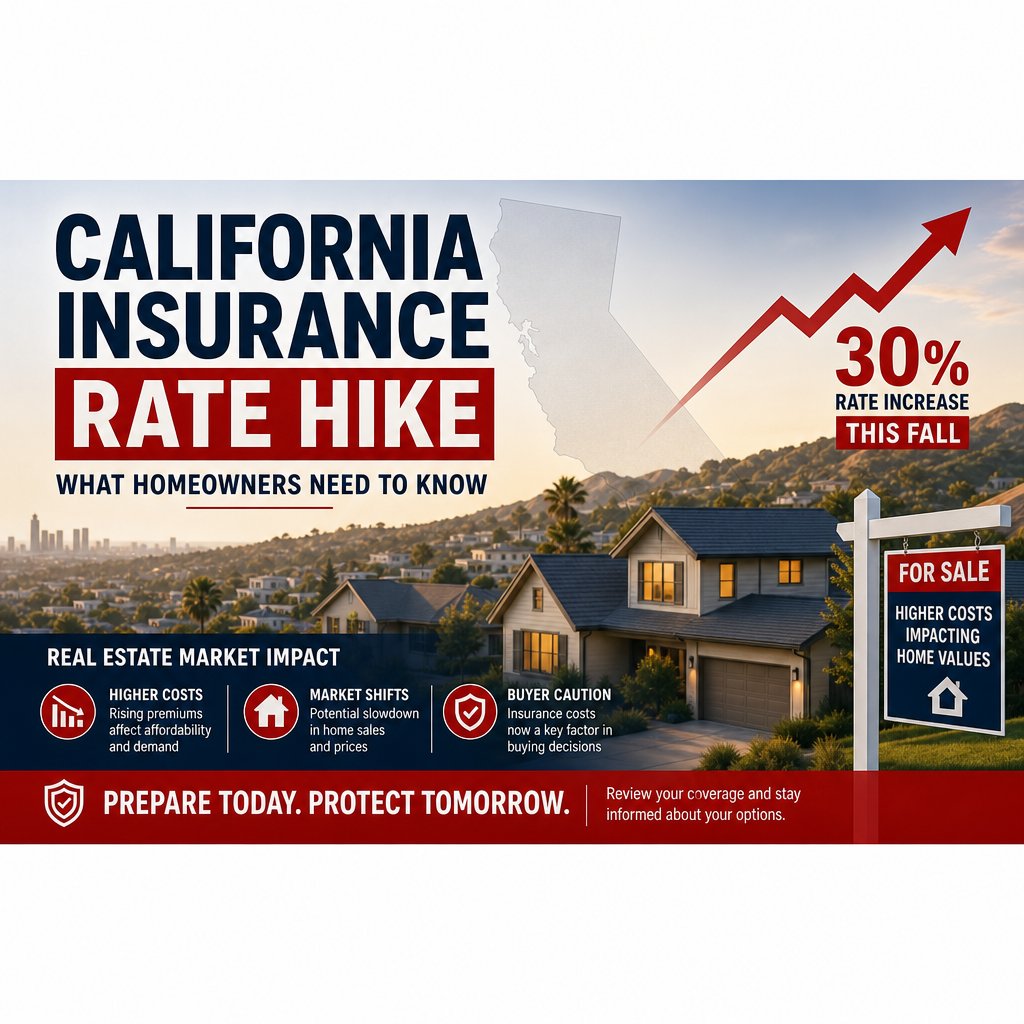
California’s home insurance landscape is shifting again — and this time, the impact will be felt by hundreds of thousands of homeowners statewide. The California FAIR Plan, the state’s insurer of last resort, has announced a nearly 30% rate increase taking effect this fall. For many households already navigating rising costs, this change adds another layer of financial pressure.
This article breaks down what’s happening, why it matters, and how homeowners — especially those in Placer County and Sun City Lincoln Hills — can prepare.
What Is the California FAIR Plan?
The FAIR Plan exists to provide basic fire insurance coverage when private insurers decline to offer a policy due to wildfire exposure or other risk factors. It is not intended to be a long‑term solution, but with major carriers reducing or pausing new business in high‑risk areas, the FAIR Plan has grown rapidly.
Today, it insures more homes than almost any private carrier in California, a sign of how strained the insurance market has become.
What’s Changing in 2026?
Beginning October 15, 2026, FAIR Plan premiums will increase by an average of 29.8% statewide. However, the impact varies significantly by ZIP code.
How the Increases Break Down:
- 50% of policyholders will see increases between 30%–50%
- 25% will see decreases, sometimes up to 80% (primarily in low‑risk urban ZIP codes)
- The remaining 25% will see anything from modest increases to extreme spikes (50%–200%)
This is the largest FAIR Plan adjustment since the 15.7% increase in 2023.
Why Are Rates Going Up?
The FAIR Plan cites several financial pressures:
- Massive wildfire losses in recent years
- Higher reinsurance costs
- Increased enrollment as private insurers restrict coverage
- Rising construction and labor costs for rebuilding
In short, the FAIR Plan is paying out more, insuring more homes, and facing higher operating costs — and those pressures are now being passed on to policyholders.
Examples of Rate Changes Across California
Recent reporting highlighted several ZIP codes to illustrate the range of impacts:
- Orinda (94563): Average premium rising 31%, approaching $7,000/year
- Grizzly Flats (Sierra Foothills): Premiums jumping from $2,671 → $5,485
- Urban ZIP codes (San Francisco, parts of Los Angeles): Some homeowners will see significant decreases due to lower wildfire exposure
The disparity underscores how heavily wildfire scoring influences FAIR Plan pricing.
What This Means for Placer County & Sun City Lincoln Hills
While Sun City Lincoln Hills is not considered a high‑risk wildfire zone, the broader Placer County region includes foothill communities where FAIR Plan usage is common.
1. Foothill Communities may See the Steepest Increases
Areas such as Auburn, Meadow Vista, and Colfax could experience some of the higher adjustments due to wildfire exposure.
2. Lincoln and Roseville Homeowners may See Minimal Direct Impact
Most SCLH residents remain insured through private carriers, but the market remains fragile and subject to change.
3. Buyers may Face New Hurdles
Higher insurance costs can affect:
- Debt‑to‑income ratios
- Loan approvals
- Buyer willingness to purchase in higher‑risk areas
4. Sellers must Prepare for Insurance Questions
Insurance availability is now a top‑five concern for California buyers and can influence negotiation dynamics.
How Homeowners Can Reduce Their Insurance Costs
Even with rising premiums, there are strategies to help manage costs.
1. Invest in Home‑Hardening Improvements
Many insurers — including the FAIR Plan — are moving toward offering discounts for:
- Class A fire‑rated roofs
- Ember‑resistant vents
- 5‑foot non‑combustible zones
- Upgraded windows
- Fire‑resistant siding
These upgrades also increase buyer confidence when selling.
2. Shop the Private Market Annually
Some carriers are slowly re‑entering the market under new regulations. It’s worth checking each year to see if private coverage is available.
3. Bundle FAIR Plan + DIC Coverage
A Difference in Conditions (DIC) policy fills gaps in FAIR Plan coverage. Bundling can sometimes reduce overall cost while improving protection.
4. Work With a Local Insurance Broker
Local brokers understand ZIP‑code‑specific risk scoring and can often find options homeowners miss.
What This Means for the Real Estate Market
Insurance is now a material factor in California real estate transactions. Expect:
- More buyers requesting insurance quotes before writing offers
- Increased scrutiny of wildfire risk maps
- Longer contingency periods
- Higher demand for homes in lower‑risk zones (like Sun City Lincoln Hills)
- Price pressure in high‑risk foothill communities
For sellers, being proactive about insurance can prevent surprises during escrow.
Final Thoughts
The 2026 FAIR Plan rate increase is another reminder that California’s insurance landscape is still evolving. While the changes will hit some homeowners harder than others, understanding the market — and preparing early — can help reduce financial stress.
For more local insights, market updates, and homeowner resources, visit the Sun City Lincoln Hills Market Report on my website: