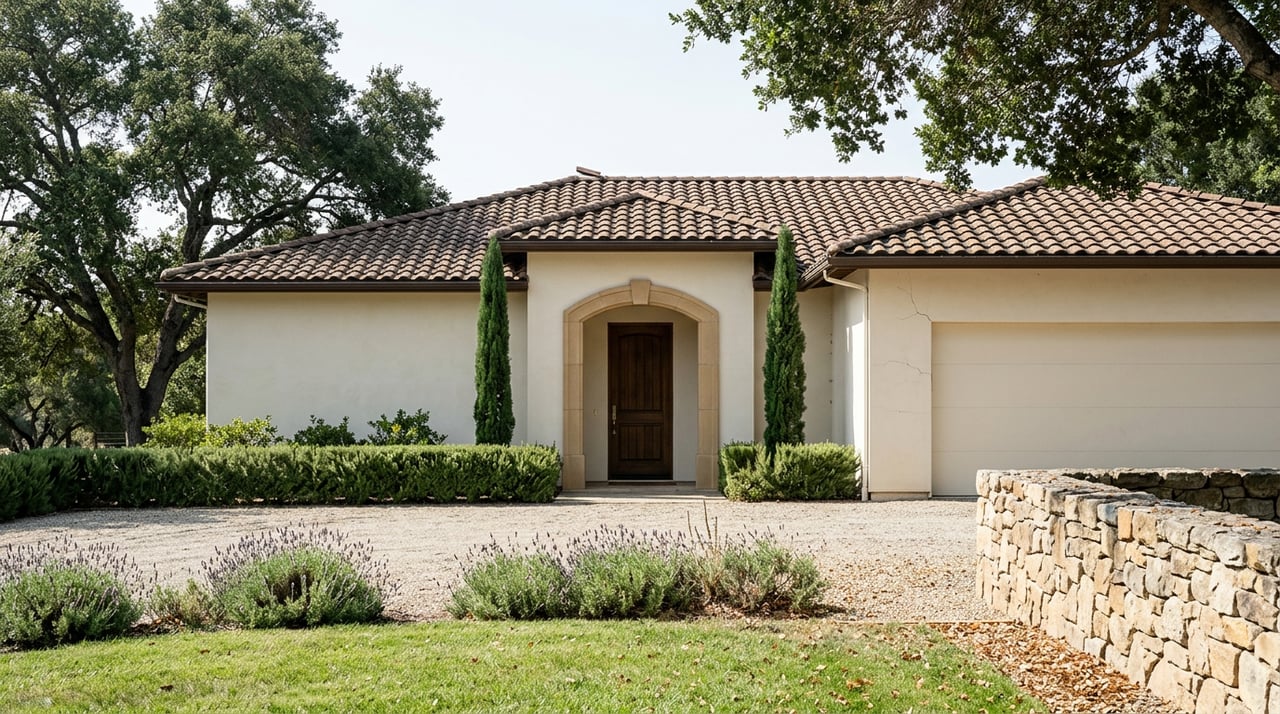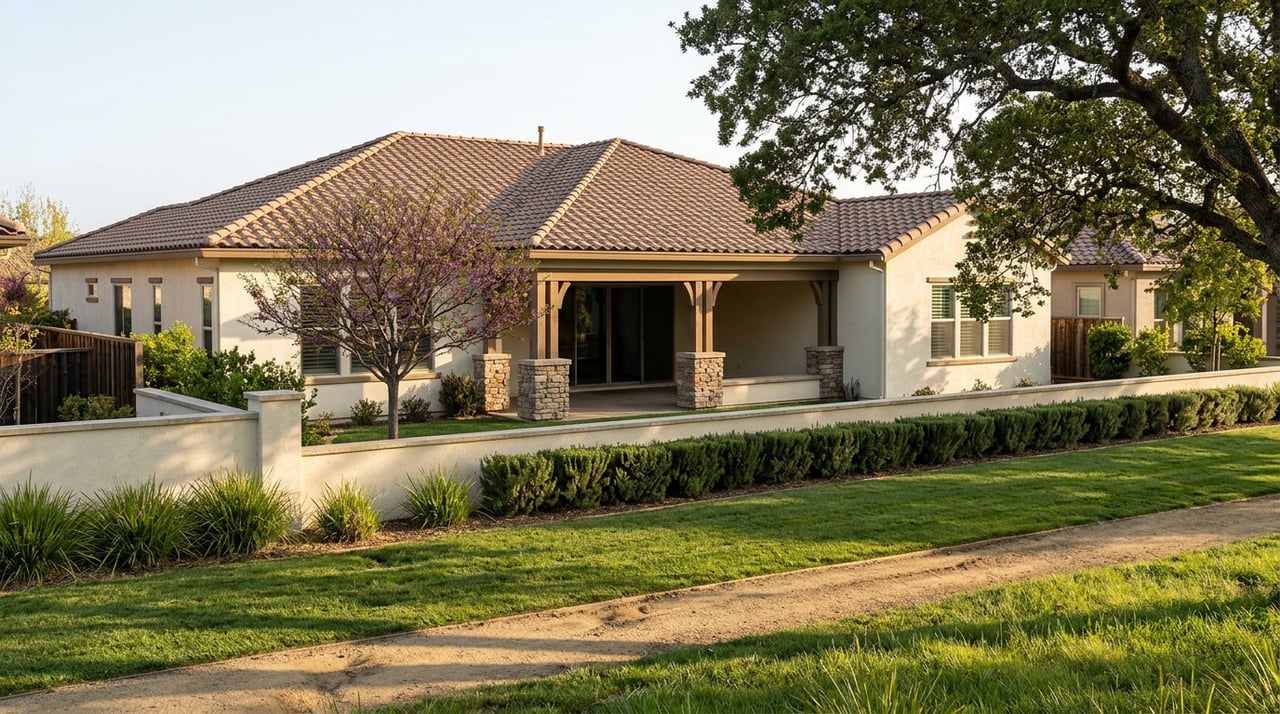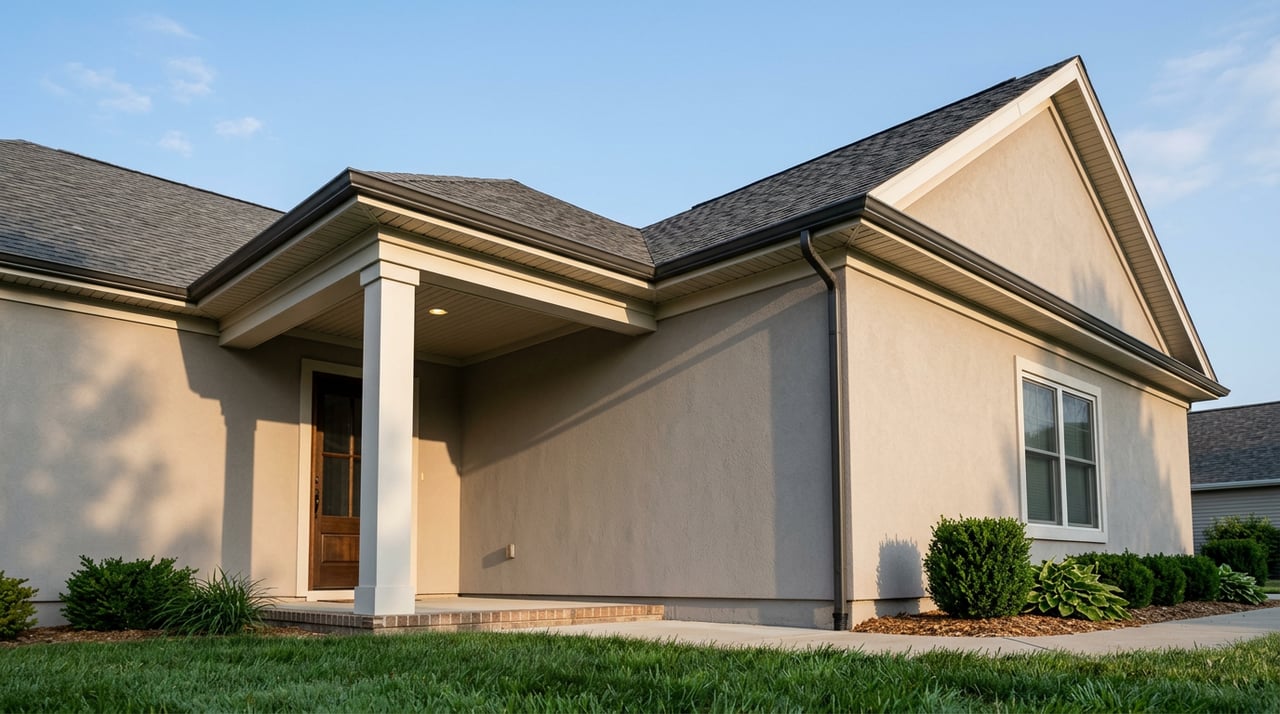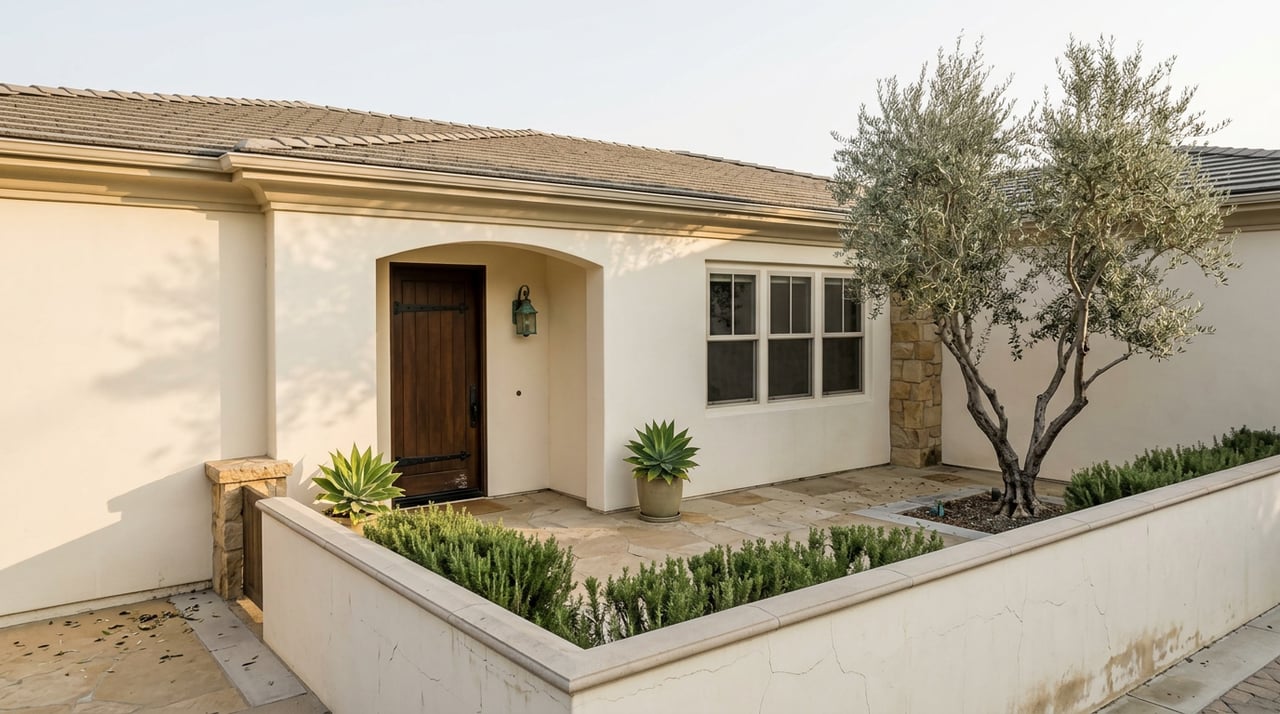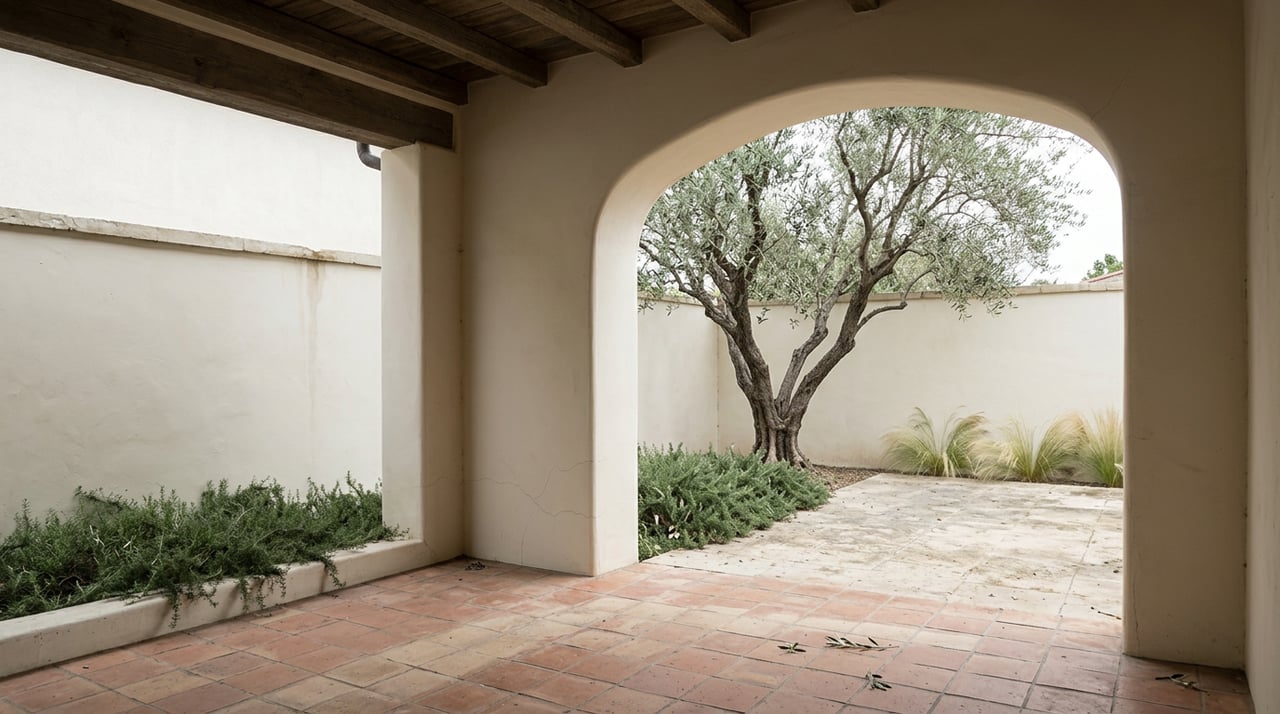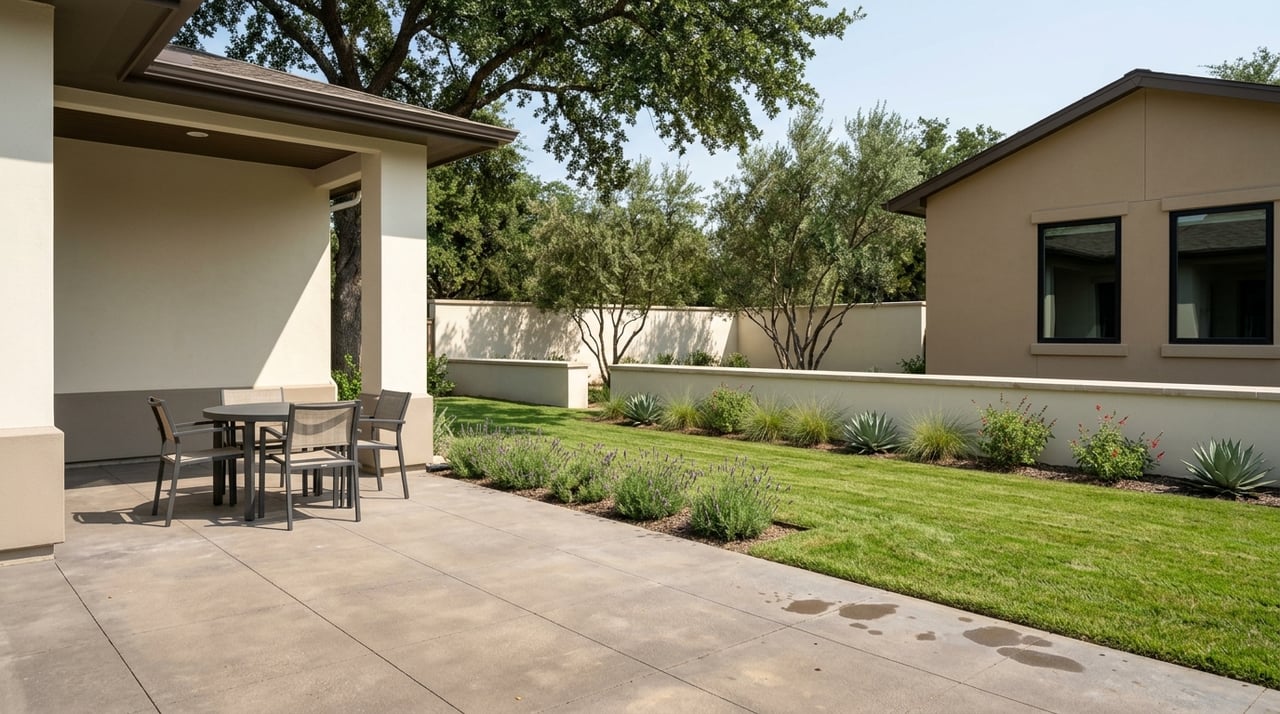
If you are trying to decide where to live in Lincoln, the biggest question may not be which home but which version of Lincoln fits you best. Some buyers are drawn to the traditional feel of the historic core, while others want the structure and amenities that often come with newer planned communities. This guide will help you compare both so you can choose with more clarity and confidence. Let’s dive in.
Lincoln Has Two Distinct Living Patterns
Lincoln’s planning documents describe two clear residential geographies: the older historic downtown area and the newer suburban growth around the city’s edges. That matters because your daily experience can feel very different depending on which side of Lincoln you choose.
In simple terms, the choice often comes down to historic core character versus newer planned growth. Neither is better for everyone. The right fit depends on how you want to live day to day, how much structure you want in a neighborhood, and what kind of home setting feels most natural to you.
What Historic Core Living Feels Like
Downtown Lincoln is the city’s traditional heart. City documents describe it as a grid pattern with flat terrain, mostly two-lane streets, mature trees, older commercial buildings along Lincoln Boulevard, and nearby single-story homes.
That older pattern gives the area a more established, local-neighborhood feel. Some blocks have sidewalks, while others have turf that runs right to the curb, which adds to the less uniform, older-town layout.
The city also notes that homes in the older historic downtown area tend to be smaller and can be more affordable because of age. If you are open to an older home and value location and character, that may be part of the appeal.
Historic Core Lifestyle Highlights
The historic core is closely tied to Lincoln’s civic and cultural identity. Beermann Plaza sits in the heart of downtown, and the city connects its arts, mural, and theater programs to this area.
You are also near public gathering spaces and local institutions. The Lincoln Community Center is at First and Joiner, and the city maintains 24 municipal parks. For many buyers, that creates a sense of being plugged into the everyday rhythm of the city.
Why Some Buyers Prefer Downtown Lincoln
Historic core living may appeal to you if you want:
- Older homes with more original character
- A traditional street grid instead of a master-planned layout
- Mature trees and an established neighborhood feel
- Close access to downtown civic spaces and local events
- Short local trips for errands, outings, or community activities
For buyers who value place and personality over uniformity, downtown Lincoln can feel more grounded and personal.
What Newer Community Living Feels Like
Lincoln’s newer neighborhoods were shaped through Specific Plans and General Development Plans. The city defines these as planning and zoning tools that lay out circulation, public facilities, utilities, public services, and design guidelines for a defined area.
That planning framework helps explain why many newer neighborhoods feel more intentional in layout and design. Streets, open spaces, and community features are often planned as part of a larger whole rather than evolving over many decades.
Examples of newer planned areas in Lincoln include Lincoln Crossing, Twelve Bridges, and Sun City Lincoln Hills. City materials describe Lincoln Crossing as a 1,070-acre development west of Highway 65 and south of Auburn Ravine, Twelve Bridges as 1,136 acres also bounded on the west by Highway 65, and Sun City Lincoln Hills as a nearly 3,000-acre active adult community for residents 55 or older with two recreation centers.
Newer Community Lifestyle Highlights
Many newer areas are tied to larger circulation plans, open-space systems, and village-style concepts. In one city specific plan, Ferrari Ranch Road is described as an arterial connection to Highway 65 with a landscape median and no parking, and the village center is planned as a traditional town center.
This kind of structure often translates into a more predictable neighborhood layout. For buyers who value newer construction, broad streets, planned open space, and easier highway access, that can be a major plus.
HOA and Amenity Considerations
In some newer Lincoln communities, association maintenance plays a visible role. The city notes that Sun City Lincoln Hills open spaces are maintained by the Sun City Lincoln Hills Community Association, and some Verdera open-space areas are maintained by the Verdera Community Association.
That does not mean every newer neighborhood works the same way. Amenity access, park ownership, and HOA rules can vary by neighborhood and by tract, so it is smart to verify the exact property rather than assume all newer communities offer the same setup.
Daily Life: Historic Core vs Newer Areas
Once you look past home size and age, the real difference often comes down to daily routine. How you run errands, get around town, and spend your free time can feel very different in Lincoln’s historic core compared with its newer planned communities.
Here is a simple side-by-side view:
Feature | Historic Core | Newer Communities |
|---|---|---|
Street pattern | Traditional grid | Planned neighborhood layouts |
Home character | Older, smaller homes are common | Newer construction is common |
Trees and setting | Mature trees, established feel | More intentionally designed streetscapes |
Civic access | Close to downtown institutions and public spaces | Often centered around planned amenities and open space |
Transportation feel | Walkable, bike-friendly, NEV and golf-cart friendly downtown | Often oriented around arterial roads and Highway 65 access |
Maintenance structure | More public civic-space focus | HOA or association maintenance is more common in some areas |
Getting Around Lincoln Matters
Transportation patterns help explain why buyers often feel a lifestyle split between these parts of Lincoln. The city describes downtown as walkable, bike-friendly, and NEV and golf-cart friendly, with planning intended to help residents reach many places without a car.
The city also contracts with Placer County for Commuter Express, Dial-A-Ride, and School Tripper service. Planning documents state that the fixed-route bus system converges downtown and connects surrounding areas, including downtown Lincoln and Sun City Lincoln Hills.
At the same time, Lincoln’s growth has been shaped by regional commuting patterns. City documents note that the SR 65 Lincoln Bypass opened in 2012, so through traffic no longer travels through downtown. Newer neighborhoods often make practical sense for buyers who want easier access to the Highway 65 corridor.
Which Lincoln Lifestyle Fits You Best?
If you are deciding between the historic core and a newer community, it helps to think beyond appearance. Focus on how you want your home to support your lifestyle now and over the next several years.
Historic Core May Fit You If
You may prefer the historic core if you want a home with older character, a more traditional neighborhood setting, and stronger ties to downtown Lincoln’s civic life. It can also be a good fit if you enjoy local outings, shorter in-town trips, and a less master-planned feel.
For some buyers, that kind of setting feels more connected and personal. If charm, maturity, and established surroundings matter most, the historic core may deserve a close look.
Newer Communities May Fit You If
You may prefer a newer community if you want a more structured neighborhood plan, newer housing stock, open-space systems, and proximity to major roads like Highway 65. This can be especially appealing if you value low-maintenance features, association-managed spaces in some neighborhoods, or an amenity-rich environment.
For active adults, Sun City Lincoln Hills stands apart because it is a 55+ community with two recreation centers and a large planned footprint. If your goals include lifestyle convenience, age-qualified living, or a simpler day-to-day routine, that may be an important factor.
A Smart Way to Compare Lincoln Neighborhoods
When you tour Lincoln, try to compare neighborhoods based on your real routine, not just first impressions. Think about how often you want to drive, what kind of outdoor spaces you use, whether you prefer civic gathering places or private community amenities, and how much neighborhood consistency matters to you.
It is also worth reviewing the exact parcel, HOA setup, and amenity details for any home you consider. In Lincoln, newer communities can vary more than buyers sometimes expect, and the historic core can vary block by block as well.
Choosing between newer communities and Lincoln’s historic core is really about choosing your pace, priorities, and daily experience. If you want help sorting through those tradeoffs, Shawn Claycomb offers clear, local guidance to help you compare Lincoln neighborhoods with confidence.
FAQs
What is the difference between newer communities and historic core living in Lincoln?
- Historic core living in Lincoln usually means older homes, a traditional street grid, mature trees, and close ties to downtown civic spaces, while newer communities often offer planned layouts, newer construction, open-space systems, and easier Highway 65 access.
Is downtown Lincoln walkable for daily errands and outings?
- City documents describe downtown Lincoln as walkable, bike-friendly, and NEV and golf-cart friendly, which can make short local trips more convenient for some residents.
Do newer Lincoln neighborhoods usually have HOA amenities?
- Some newer Lincoln communities include association-maintained open spaces and amenities, but HOA rules, maintenance responsibilities, and amenity access vary by neighborhood and by tract.
Is Sun City Lincoln Hills part of newer Lincoln growth?
- Yes. City materials identify Sun City Lincoln Hills as a nearly 3,000-acre active adult community for residents 55 or older, and it is part of Lincoln’s newer planned development pattern.
Are homes in Lincoln’s historic core usually smaller?
- City planning documents say the older historic downtown area generally has smaller homes that tend to be more affordable because of age.
How should you choose between historic and newer neighborhoods in Lincoln?
- A good approach is to compare your daily routine, preferred home style, transportation needs, amenity preferences, and the exact property details before deciding which part of Lincoln fits you best.