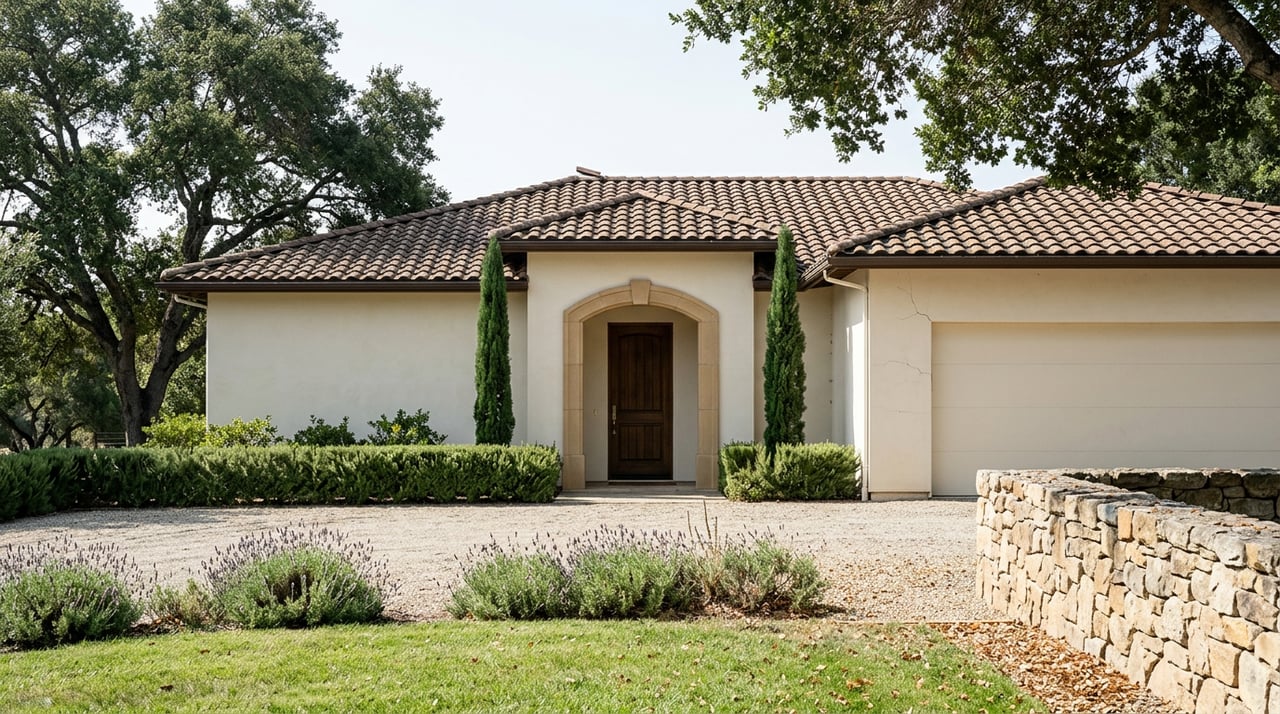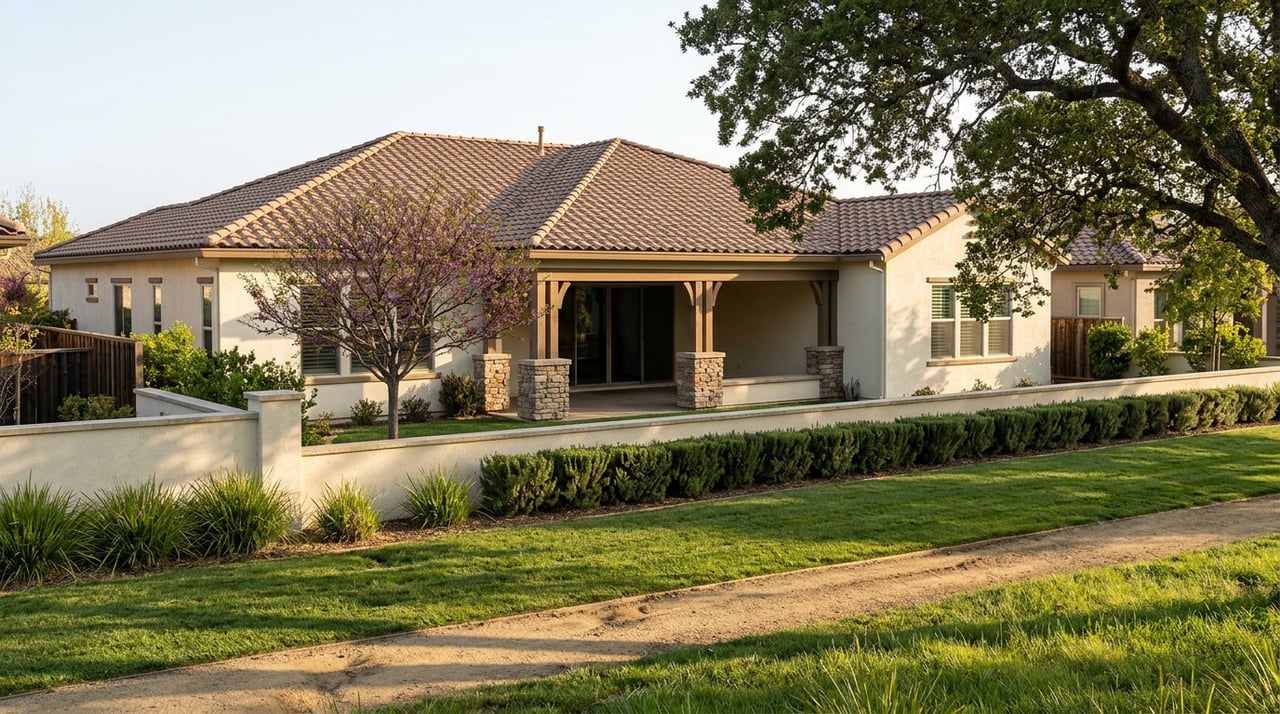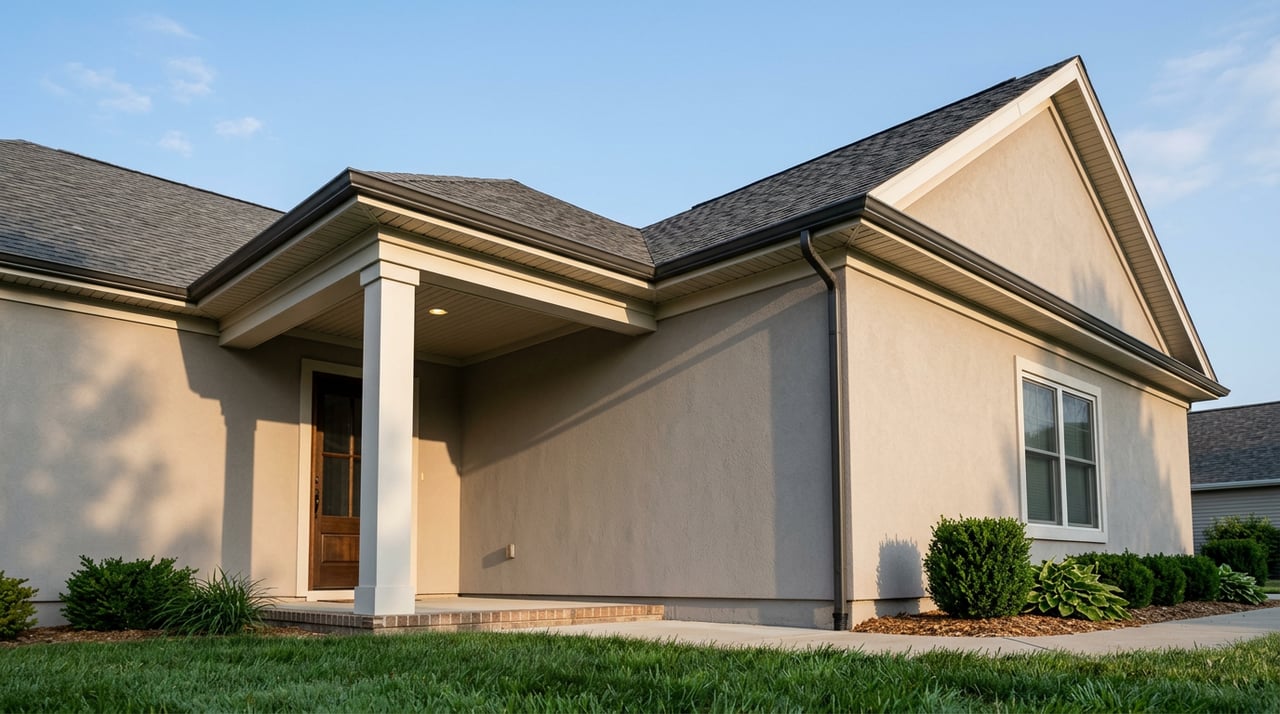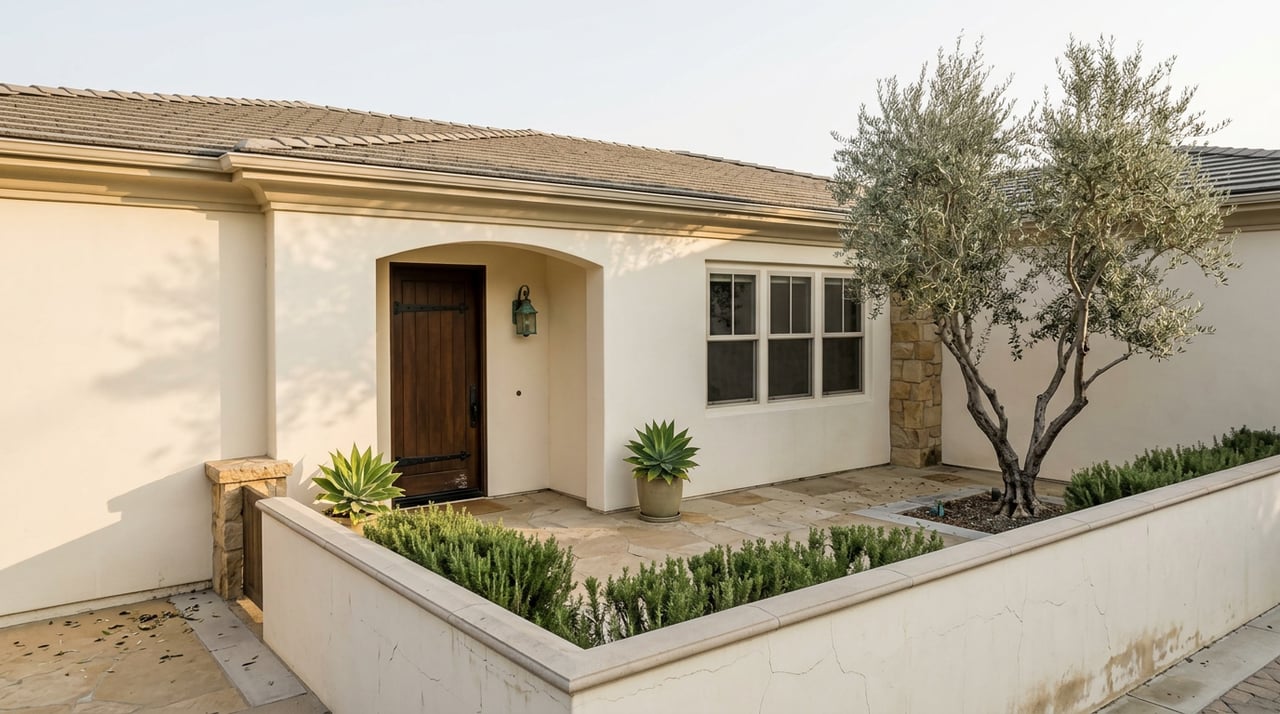
A buyer walks two Esplanade at Turkey Creek streets on the same Saturday. The first stop is a Taylor Morrison model home with a rate promotion posted on the sales counter. The second is a two-year-old resale of the same floor plan, listed by a neighbor a few blocks away for less money. On paper, the resale wins.
By the time both offers are underwritten to a monthly payment, the resale usually loses. That is the mechanic worth understanding before writing either offer, and it is not obvious from the listing sheets.
The friction that shows up at the escrow table
Taylor Morrison sells new inventory at Esplanade with a lender relationship attached. In practice, that means forward rate locks, temporary buydowns, and closing-cost credits that reduce the buyer's effective interest rate for the first one to three years. Those incentives do not transfer to the neighbor's resale. When the buyer runs the same $700,000 mortgage against the two homes, the new-build payment can land two hundred to five hundred dollars a month lower simply because the builder is subsidizing the rate.
That gap is the first hidden mechanism. It rarely appears in a comparative market analysis because the CMA compares sale prices, not carrying costs (learn the difference between a home value estimate vs. a CMA). For a retiree buying with a fixed monthly income in mind, the payment is the number that matters.
Why the CFD line is identical on both parcels
Esplanade at Turkey Creek sits inside an active Community Facilities District. That is standard for newer Placer County active-adult communities. A community walkthrough recorded when the sales office opened put the Mello-Roos line around $237 a month, on top of a base HOA near $349 a month and a quarterly assessment of roughly $300. Amounts drift by lot and phase, and the buyer should pull the current tax bill by parcel, but the pattern holds.
Here is the point most buyers miss. The CFD assessment does not shrink because a home changed hands. A resale carries the same special tax as the identical new construction next door. That is very different from the older Sun City Lincoln Hills phases, where the original infrastructure bonds are frequently paid down, minimal, or nearing maturity around 2034. In older communities, buying a resale genuinely reduces the tax bill. At Esplanade, it does not.
Line item | New Taylor Morrison | Two-year resale (same plan) |
|---|---|---|
Base HOA | ~$349/mo | ~$349/mo |
Quarterly assessment | ~$100/mo equivalent | ~$100/mo equivalent |
Mello-Roos (CFD) | ~$237/mo | ~$237/mo |
Builder rate buydown | Available | Not available |
Warranty coverage | Full 10-year structural | Partial remainder |
Design-center upgrades | Priced à la carte | Bundled at seller's discretion |
The table is directional, not a quote. It exists to make one point: the fixed monthly overhead is the same on both parcels, so the only place either home can actually beat the other is in the financing.
The upgrade equity problem
Taylor Morrison's Esplanade collections run from the Capri around 1,600 square feet through the Santini above 3,000, with the Goldeneye plan a popular mid-size choice. One recent Goldeneye resale in the community was advertised with more than $180,000 in options, including owned solar, a whole-house fan, an outdoor-living elevation, quartz counters, and a sliding glass door off the owner's suite. The list price was $799,900.
Here is where the math gets uncomfortable for a resale seller. Design-center upgrades typically recover fifty to seventy cents on the dollar at resale two to three years in, particularly in a market where the builder is still open across the street selling the same options fresh (read about the best ROI improvements for homes in Placer County). The seller paid retail plus construction-loan carry. The buyer will not pay the same premium when they can pick their own finishes at the design center. That gap gets absorbed by the seller, which is why Esplanade resale spreads over new-build pricing are usually narrower than owners expect.
For the buyer, the practical reading is simple. A resale with heavy owner-selected upgrades is worth paying up for only if those specific upgrades match what the buyer would have ordered anyway. Owned solar and a whole-house fan are broadly desirable in Lincoln's climate. A specific cabinet stain or a plunge tub is not.
The warranty that quietly transfers
Taylor Morrison homes carry a structural warranty that runs from the original close date, not the resale date. A two-year-old resale still has the balance of that coverage available to the second buyer under the terms of the original warranty documents.
The value of a remaining builder warranty is that it turns a resale of a nearly new production home into something closer to a certified pre-owned car. The clock started with the first owner. The buyer inherits what is left.
That is a real, if quiet, offset in the resale's favor. It rarely closes the full payment gap created by the missing builder rate buydown, but it belongs in the comparison. The buyer should request the original warranty booklet, the close-of-escrow date, and any open service tickets during the disclosure period.
What the Lincoln market is doing underneath all of this
Lincoln has softened modestly. Redfin recorded a median sale price of about $544,000 in January 2026, and $619,909 in May 2026, down 0.81 percent year over year. Movoto put the July 2026 median list price near $681,000 at roughly 117 days on market. RubyHome showed 234 active listings in late June 2026 with an average of 60 days on market and about $371 per square foot. The precise number depends on the source and the mix, but the direction is consistent: more inventory, slightly softer pricing, longer marketing times.
For an Esplanade resale seller, that context matters in a specific way. When the broader Lincoln market slows, the builder responds with financing incentives rather than list-price cuts, because a headline price cut damages the value of the homes already sold in the community. The resale seller cannot match a rate buydown. The seller can only cut price. That structural asymmetry is why resale spreads in mid-buildout communities tend to widen in soft markets, not narrow.
For a buyer looking at Lincoln homes for sale, the same asymmetry is an opportunity. A patient resale offer in a slow month, on a home with upgrades the buyer actually wants, can beat the new-build payment. It just has to be underwritten as a total-carry decision, not a sticker-price one.
How to underwrite a specific Esplanade parcel
- Pull the current property tax bill by parcel number through the Placer County Treasurer-Tax Collector and read the CFD line separately from the 1 percent ad valorem base.
- Ask the listing agent for the original Taylor Morrison purchase agreement, the design-center upgrade list, and the warranty booklet.
- Get a written new-build quote from Taylor Morrison on the closest comparable plan, including current incentives, on the same day you write the resale offer.
- Run both scenarios as a monthly payment at today's rate, with taxes, CFD, HOA, and the quarterly assessment included.
- Decide whether the specific upgrades on the resale are worth the payment delta over three to five years, which is the horizon most active-adult buyers actually hold.
That sequence is what a financially astute buyer's advocate does before writing an offer (learn more about the benefits of working with an experienced Placer County real estate agent). It is also what a Proposition 19 base-year transfer plan hangs on for buyers 55 and older, because the CFD, HOA, and quarterly lines sit outside the transferred base and need to be planned around separately.
Questions that come up at the table
Is the Mello-Roos on my Esplanade home going away anytime soon?
Not in the near term. Newer Placer County CFDs typically run twenty to forty years from issuance, and Esplanade began delivery in 2020. Pull the specific bond documents to see the maturity date on your parcel.
Does the resale seller pay a transfer fee to the HOA?
Yes, in practice. Buyers should ask for the current transfer and document-preparation fee schedule from the HOA management company during escrow and clarify who pays it in the purchase contract.
Do I get access to Turkey Creek Golf Club through my HOA?
No. The 18-hole course next door, designed by Brad Bell around a former granite quarry, is a public course open to the public. Residents play it without any golf-HOA capture, which is a different structure from communities where the course is inside the association.
Is a resale ever the right call at Esplanade?
Yes, when the specific upgrades match the buyer's list, the seller is motivated, and the payment gap versus a builder incentive package is small enough that the remaining Taylor Morrison warranty and the mature landscaping offset it.
The mechanics of any single transaction are specific to the parcel, the lender of the moment, and the seller's timeline. If you are weighing an Esplanade resale against a new Taylor Morrison home on the next street, or comparing Esplanade to Sun City Lincoln Hills where the CFD math runs differently, a side-by-side underwriting is the fastest way to see which house is actually cheaper to own. Local real estate specialist Shawn Claycomb will pull the tax bills, request the new-build quote, and put both homes on one page before you write an offer. Request a complimentary Lincoln home valuation to start the conversation.
Related Blog Posts
- The Two Fall Drives From Esplanade At Turkey Creek
- The Corner at Ferrari Ranch and Lincoln Boulevard Is About to Look Very Different
- A Home Value Estimate vs. a Comparative Market Analysis
- The Benefits of Working with an Experienced Placer County Real Estate Agent
- The Best ROI Improvements for Homes in Placer County