🌟 Golf Course vs. Greenbelt Lots in Sun City Lincoln Hills: How to Choose the Right Fit for Your Lifestyle
Choosing between a golf‑course view and a greenbelt backdrop in Sun City Lincoln Hills isn’t just about scenery — it’s about how you want to live every day. In a 55+ community where outdoor living, privacy, and low‑maintenance enjoyment matter, the setting behind your home can dramatically shape your experience.
This guide breaks down the real differences between golf and greenbelt lots in SCLH — including lifestyle, HOA rules, noise, privacy, risk, and resale value — plus a practical touring checklist and questions to ask before writing an offer.
🌟 Why Setting Matters in Sun City Lincoln Hills
Sun City Lincoln Hills is one of the largest and most desirable active‑adult communities in the country, offering:
- Two clubhouses
- Fitness centers and indoor/outdoor pools
- Miles of walking trails
- Two 18‑hole golf courses
- Dozens of clubs and social activities
Because the community is governed by a master association and multiple sub‑associations, the land behind each home — whether golf course, greenbelt, preserve, or trail — is carefully regulated to protect aesthetics, privacy, and quiet enjoyment.
Important:
- Greenbelts and preserves are typically HOA‑owned and maintained.
- Golf‑course land is owned and operated separately from the HOA.
- Rules, setbacks, and maintenance standards differ depending on what your home backs to.
Always review the CC&Rs, Architectural Guidelines, and plat maps for the specific parcel you’re considering.
🌟 Golf‑Course Lots: What to Expect
Homes on golf‑course lots back directly to a fairway, tee box, or green. These lots offer:
What You’ll Love
- Wide, manicured, park‑like views
- Open sightlines with no tall vegetation
- Beautiful sun exposure
- Prestige and strong visual appeal
- Evening sunsets across the fairways (depending on orientation)
Daily Life
- Golfers and carts passing throughout the day
- Morning maintenance (mowers, blowers, greens crews)
- Occasional tournaments or events
- More openness, less natural screening
Considerations
- Ball‑strike risk varies by hole and orientation
- Rear‑yard setbacks and view‑fence rules limit what you can build
- Less privacy unless you add HOA‑approved landscaping
- More sun exposure, which some love and others avoid
Golf‑course lots tend to attract buyers who value openness, light, and a resort‑style feel.
🌟 Greenbelt & Preserve Lots: What to Expect
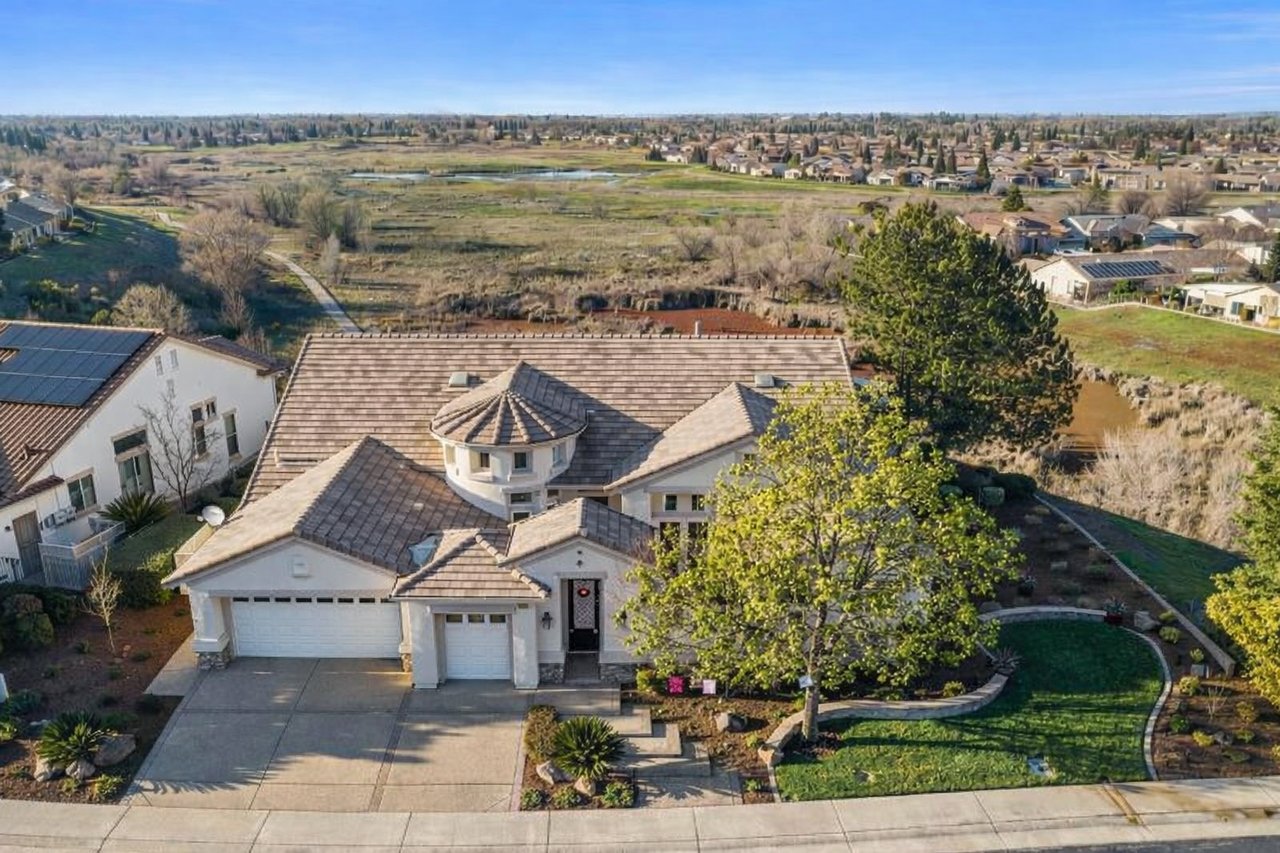
Greenbelt and preserve lots back to HOA‑maintained open space, natural vegetation, or trail corridors. In SCLH, these areas often include oak trees, seasonal creeks, native grasses, and wildlife.
What You’ll Love
- Greater privacy and natural screening
- Shade from mature trees
- Seasonal color and a more “wooded” feel
- Quiet, peaceful surroundings
- Occasional wildlife and songbirds
Daily Life
- Light foot traffic on nearby trails
- Periodic HOA maintenance (pruning, mowing, fire‑safety clearing)
- More shade and cooler patios
- A softer, more natural aesthetic
Considerations
- Vegetation growth may affect views over time
- HOA controls pruning, trimming, and irrigation
- Natural‑area pests (turkeys, deer, squirrels) may appear
- Shade may limit certain landscaping choices
Greenbelt lots appeal to buyers who prioritize privacy, quiet, and a nature‑focused setting.
🌟 Lifestyle Differences That Matter in SCLH
Views & Aesthetics
- Golf: manicured, open, bright
- Greenbelt: natural, shaded, layered
Privacy
- Golf: more exposed
- Greenbelt: more screening
Noise
- Golf: golfers, carts, maintenance
- Greenbelt: minimal, mostly nature
Sun Exposure
- Golf: more sun, fewer trees
- Greenbelt: more shade, cooler patios
Safety
- Golf: potential ball strikes
- Greenbelt: fewer projectiles, more wildlife
Control Over Surroundings
- Golf: course operator controls landscaping
- Greenbelt: HOA controls vegetation
🌟 HOA Rules, Easements & Insurance Considerations
Easements & Setbacks
Rear‑yard easements are common on both lot types and may restrict:
- Patio covers
- Privacy screens
- Fencing height and materials
- Hardscape extensions
Always check the plat map and Architectural Guidelines before planning improvements.
Insurance
Golf‑adjacent homes may need:
- Higher deductibles
- Impact‑resistant glass
- Documentation of prior ball‑strike claims
Greenbelt homes typically have fewer insurance considerations.
Fees
- Greenbelt maintenance is included in HOA dues.
- Golf‑course operations are separate and not funded by HOA assessments.
🌟 Market & Resale Trends in Sun City Lincoln Hills
In SCLH, buyer preferences vary — but patterns are clear:
Golf‑Course Lots
- Often attract buyers seeking prestige and openness
- Can command premiums depending on hole, orientation, and view
- Homes on busy fairways or tee boxes may sell at a discount
Greenbelt Lots
- Highly desirable for privacy and quiet
- Often sell faster due to broader buyer appeal
- Premiums vary based on depth of view, tree coverage, and trail proximity
Pricing Ranges (Based on Your Market Data)
- Typical SCLH homes: $360–$375 per sq ft
- Homes needing updates: closer to $325 per sq ft
- Remodeled homes on premium lots: $400+ per sq ft
- Golf & greenbelt premiums depend on:
- View quality
- Orientation
- Privacy
- Remodel level
The best way to quantify value is a map‑verified CMA comparing similar models on each lot type.
🌟 Touring Checklist for SCLH Buyers
Property Condition
- Check windows, screens, and patio covers for ball‑strike damage
- Look for drainage issues or irrigation overspray
Privacy & Noise
- Stand in the great room and patio to assess sightlines
- Visit at different times of day
- Note shade patterns and tree coverage
Documents & Rules
- Confirm who owns the land behind the home
- Review setbacks, easements, and fencing rules
- Request HOA guidelines for landscaping and screening
Operations & Costs
- Ask about golf‑course maintenance schedules
- Confirm any special assessments
- Request seller insurance claim history
🌟 How to Choose the Right Fit
Choose a Golf‑Course Lot If You Want:
- Expansive, manicured views
- More sun and open sightlines
- A resort‑style feel
- Prestige and visual impact
Choose a Greenbelt Lot If You Want:
- Privacy and quiet
- Shade and natural scenery
- A calmer backyard experience
- A more wooded, nature‑focused setting
Both options can be exceptional — the right choice depends on your lifestyle, tolerance for activity, and long‑term plans.
Shawn Claycomb — Coldwell Banker Global Luxury
I’m Shawn Claycomb, a Global Luxury Property Specialist and CFP® with Coldwell Banker® Sun Ridge — and a proud Sun City Lincoln Hills resident. I specialize in helping buyers and sellers navigate Sun City Lincoln Hills, Sun City Roseville, Springfield at Whitney Oaks, Granite Bay, Loomis, Lincoln, Rocklin, Roseville and the surrounding Placer County lifestyle communities. My mission is to provide clarity, confidence, and a seamless experience for clients seeking exceptional homes and an elevated retirement lifestyle in Northern California.