Wondering if the monthly HOA fee tells the whole ownership story in Sun City Lincoln Hills? It does not. If you are planning a move, comparing retirement budgets, or deciding whether this 55+ community fits your long-term plans, you need a fuller picture of the real carrying costs. This guide breaks down the major expenses so you can plan with more confidence. Let’s dive in.
Why ownership costs feel different here
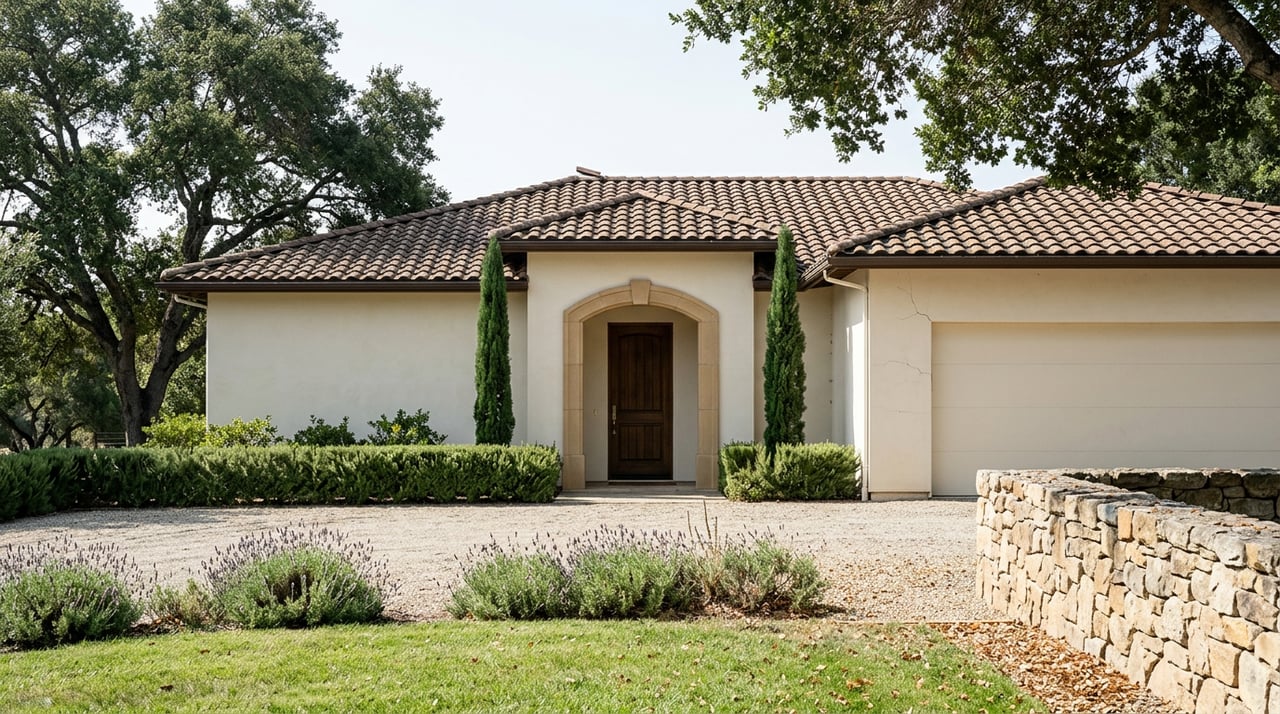
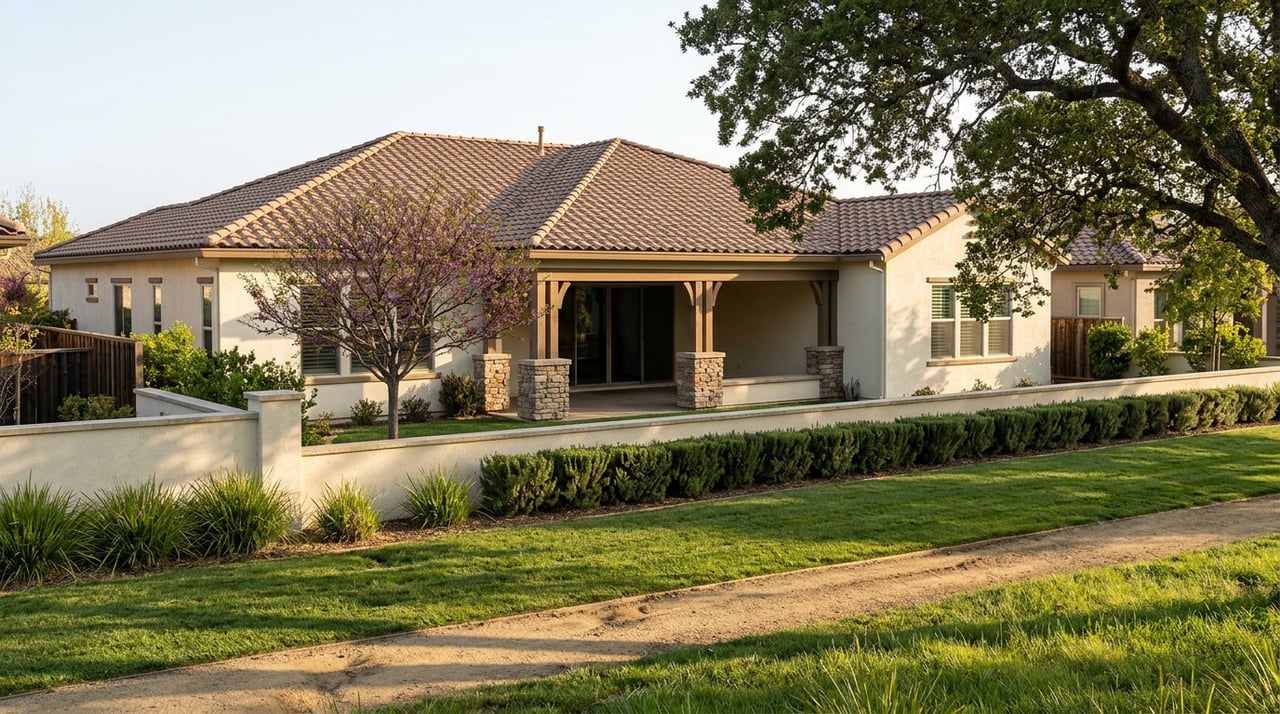
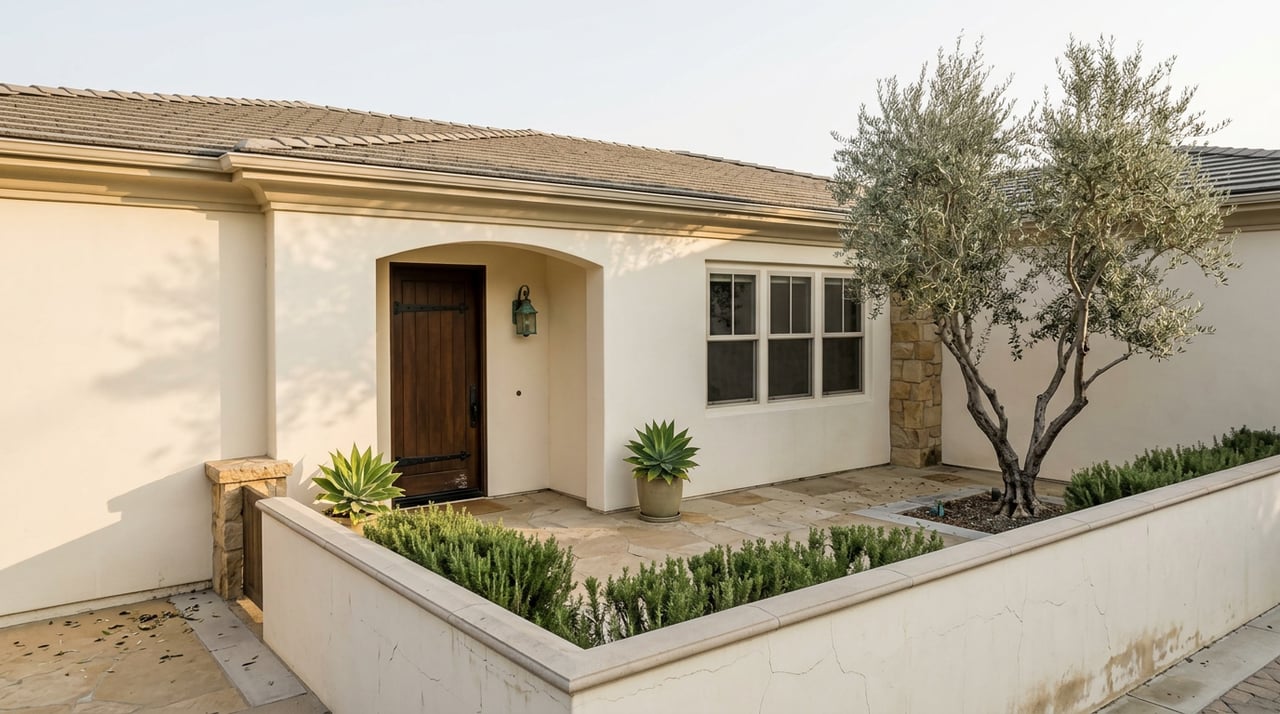
Sun City Lincoln Hills is a large active-adult community in Lincoln with nearly 3,000 acres of landscaped grounds, two main lodges, fitness centers, clubs, activity groups, trails, and two privately owned golf courses. The community includes 6,703 single-family homes and 80 condominiums, with a wide range of single-story home plans and villas.
That lifestyle appeal is a big reason people move here. But it also means your ownership costs come from several layers, not just your mortgage payment. The key is understanding what is included, what is separate, and what may change over time.
HOA fees are important, but not the whole story
The standard monthly HOA assessment is $188, billed quarterly at $564 per quarter, effective January 2026. Annualized, that comes to about $2,256 per year. Assessments are due January 1, April 1, July 1, and October 1, and are late if not received by the 15th.
Those dues help support daily operations and long-term reserve planning. The association shows a 2025 projected operating budget of $20.1 million, a $3.9 million reserve budget, and $44.3 million in total assets and reserves at year-end 2024.
That said, the HOA fee should be viewed as one line item, not your full monthly budget. Closing and resale fees can also apply, and those vary through the community’s document and fee process.
What the HOA does not automatically cover
One of the biggest budgeting mistakes is assuming all community lifestyle costs are wrapped into the monthly dues. In Sun City Lincoln Hills, that is not the case.
The golf club is privately owned and is not part of the association amenities. If you plan to golf regularly, you should expect separate spending for that activity, even though residents may be able to purchase reduced-rate packages.
Optional spending can also add up over time. Clubs, classes, bus trips, spa services, and other discretionary activities may fit your lifestyle, but they are not the same as your base ownership costs.
A rough monthly baseline for HOA and city utilities
If you want a simple starting point, combining the HOA assessment with current city utility figures creates a rough baseline of about $345.60 per month. This includes HOA, water, wastewater, and trash. It does not include electricity, gas, internet, property taxes, insurance, or maintenance.
That number is useful because it gives you a more realistic floor for recurring costs. It also helps you compare Sun City Lincoln Hills with other low-maintenance or retirement-oriented communities in Placer County.
Water costs in Lincoln
Lincoln bills water service on a monthly city utility statement. Under the current FY2025 adopted schedule, a 3/4-inch residential meter has a $27.80 fixed monthly charge and a $14.68 monthly water CIP component, plus $3.75 per kgal for usage.
The city’s comparison table shows an average Lincoln single-family water bill of $54.59 per month at 10.7 kgal per month. The adopted schedule also shows another increase on July 1, 2026, with the fixed charge rising to $28.64 and the CIP component to $15.13.
Wastewater and trash costs
For wastewater, the current adopted residential charges total about $69.84 per month as of June 2026. That amount is made up of a $33.17 collection charge and a $36.67 treatment charge.
The adopted schedule shows those wastewater charges increasing on July 1, 2026, to $34.83 and $37.77. For trash, the current 95-gallon residential cart rate is $33.17 per month, increasing to $37.46 on July 1, 2026.
Why utility costs may keep shifting
Lincoln has said utility rates are being updated through a rate-study process tied to inflation, deferred maintenance, and infrastructure needs. That matters because even if your mortgage stays fixed, city service costs may not.
For retirement budgeting, it helps to build in some cushion. A payment that feels manageable today may look a little different after scheduled utility adjustments.
Property taxes can be more than you expect
In Placer County, property taxes are based on assessed value. The assessor establishes the assessed value, and the auditor-controller applies the 1% tax rate plus voter-approved bond rates, with direct charges added to parcels.
That means it is not quite accurate to assume your bill is just 1% of the purchase price. Depending on the parcel, there may be additional charges that affect your actual annual tax total.
How Proposition 13 affects future taxes
Under Proposition 13, assessed value generally increases by no more than 2% per year until there is a change in ownership or new construction. For many longtime owners, that can keep tax growth relatively predictable over time.
For buyers, though, a purchase resets the tax picture based on a new assessed value. That is one reason the prior owner’s tax bill may not be a reliable guide for what you will pay after closing.
Supplemental tax bills matter in California
A purchase or new construction can trigger a supplemental assessment and a separate supplemental tax bill. This is one of the most overlooked ownership costs for buyers moving into California communities.
In simple terms, you may receive a tax bill after closing that does not show up in the seller’s old annual statement. If you are creating a move-in budget, this is worth planning for early rather than being surprised later.
Insurance deserves close attention
Homeowners insurance is another major line item that can vary a lot from one buyer to another. The California Department of Insurance recommends shopping and comparing because residential insurance is a significant purchase.
In today’s California insurance market, it is smart to treat insurance as a planning item, not an afterthought. Premiums, availability, deductibles, and coverage details can all affect your monthly and annual budget.
What to know about FAIR Plan and DIC coverage
If standard homeowners coverage is difficult to obtain, the California FAIR Plan is the insurer of last resort and provides basic fire-related coverage. A separate DIC policy may be needed for gaps such as theft or liability.
That means some homeowners may need to piece together coverage rather than rely on a single standard policy. From a budgeting standpoint, that can change both cost and complexity.
Earthquake coverage is usually separate
The California Department of Insurance also notes that homeowners policies generally do not cover earthquake damage. Earthquake insurance is typically separate and may be offered through your insurer or the California Earthquake Authority.
Not every homeowner will choose that coverage, but it is part of the bigger cost conversation in California. If you want a realistic ownership budget, it helps to decide early which risks you want insured.
Maintenance still belongs in the budget
Sun City Lincoln Hills is often associated with low-maintenance living, especially compared with larger custom homes or rural properties. Still, low-maintenance does not mean no-maintenance.
Every home needs repairs, replacements, and routine upkeep over time. Roof components, HVAC systems, appliances, exterior finishes, and plumbing fixtures all age, even in well-kept communities.
A practical rule of thumb
Fannie Mae offers a useful starting point: budget 1% to 4% of home value per year for repairs and replacements. Newer homes may fall toward the low end, while older homes may need more.
This is not a precise formula, but it gives you a planning range. It is especially helpful if you are trying to protect retirement cash flow and avoid large surprise expenses.
Why routine upkeep saves money
Routine maintenance helps prevent costlier problems later. A small repair handled early is often easier on your budget than a major replacement caused by delay.
If you are comparing homes in Sun City Lincoln Hills, maintenance history and overall condition should be part of your decision, not just the purchase price and HOA fee.
What a smart ownership budget looks like
The clearest way to think about costs in Sun City Lincoln Hills is to stack them. Start with the HOA. Then add city utilities, property taxes, insurance, and maintenance.
After that, add your own lifestyle choices like golf, clubs, classes, or travel-related activities. This approach gives you a more accurate picture of what the home may actually cost you month to month and year to year.
A simple budgeting checklist for buyers
Before you buy, make sure you review these cost categories:
- HOA assessments and payment timing
- Water, wastewater, and trash charges
- Electricity, gas, and internet
- Property taxes based on your likely purchase price
- Possible supplemental tax bills after closing
- Homeowners insurance quotes and coverage options
- Optional earthquake coverage
- Ongoing maintenance reserves
- Lifestyle extras such as golf, classes, trips, or spa services
If you are buying for retirement, clarity matters more than guesswork. The more complete your budget is upfront, the easier it is to enjoy the lifestyle without financial stress.
A well-planned move into Sun City Lincoln Hills can absolutely support a comfortable, active, and manageable retirement lifestyle. The key is knowing that the HOA fee is only one piece of the picture. When you evaluate the full stack of ownership costs, you can make a decision that fits both your lifestyle goals and your long-term financial plan.
If you want help thinking through ownership costs, home options, or the pros and cons of buying in this community, Shawn Claycomb can help you evaluate the numbers with local insight and a steady, practical approach.
FAQs
What is the current HOA fee in Sun City Lincoln Hills?
- The standard HOA assessment is $188 per month, billed quarterly at $564 per quarter, effective January 2026.
Does the Sun City Lincoln Hills HOA fee include golf?
- No. The golf club is privately owned and separate from the association amenities, so golf should be treated as an additional expense.
What is a rough monthly baseline for Sun City Lincoln Hills ownership costs?
- A rough baseline using HOA, water, wastewater, and trash is about $345.60 per month before electricity, gas, internet, property taxes, insurance, and maintenance.
Are property taxes in Placer County just 1% of value?
- No. Placer County applies the 1% tax rate plus voter-approved bond rates, and direct charges can also be added to the parcel.
Can buying a home in Sun City Lincoln Hills trigger a supplemental tax bill?
- Yes. In California, a purchase or new construction can trigger a supplemental assessment and a separate supplemental tax bill.
How should you budget for maintenance in Sun City Lincoln Hills?
- A practical starting point is 1% to 4% of the home’s value per year for repairs and replacements, depending on the home’s age and condition.
Is homeowners insurance straightforward for Sun City Lincoln Hills buyers?
- Not always. The California Department of Insurance recommends comparing options, and some homeowners may need FAIR Plan coverage, a DIC policy, or separate earthquake insurance.