The problem with a Granite Bay septic system rarely shows up in the tank. It shows up in the calendar. A buyer's lender asks for compliance documentation, the seller hasn't had the tank pumped in years, and a transaction that was supposed to close in three weeks now waits on paperwork that has to happen in a specific order, on county business days, before anyone can even schedule the inspection that everyone assumed would take a day.
That sequencing problem is the real story for anyone buying or selling an estate-sized lot in Granite Bay. Not whether the septic system works. Whether the county's own process for confirming it works can move as fast as your escrow timeline needs it to (read more about buying acreage and country parcels in Placer County).
Where The Clock Actually Starts
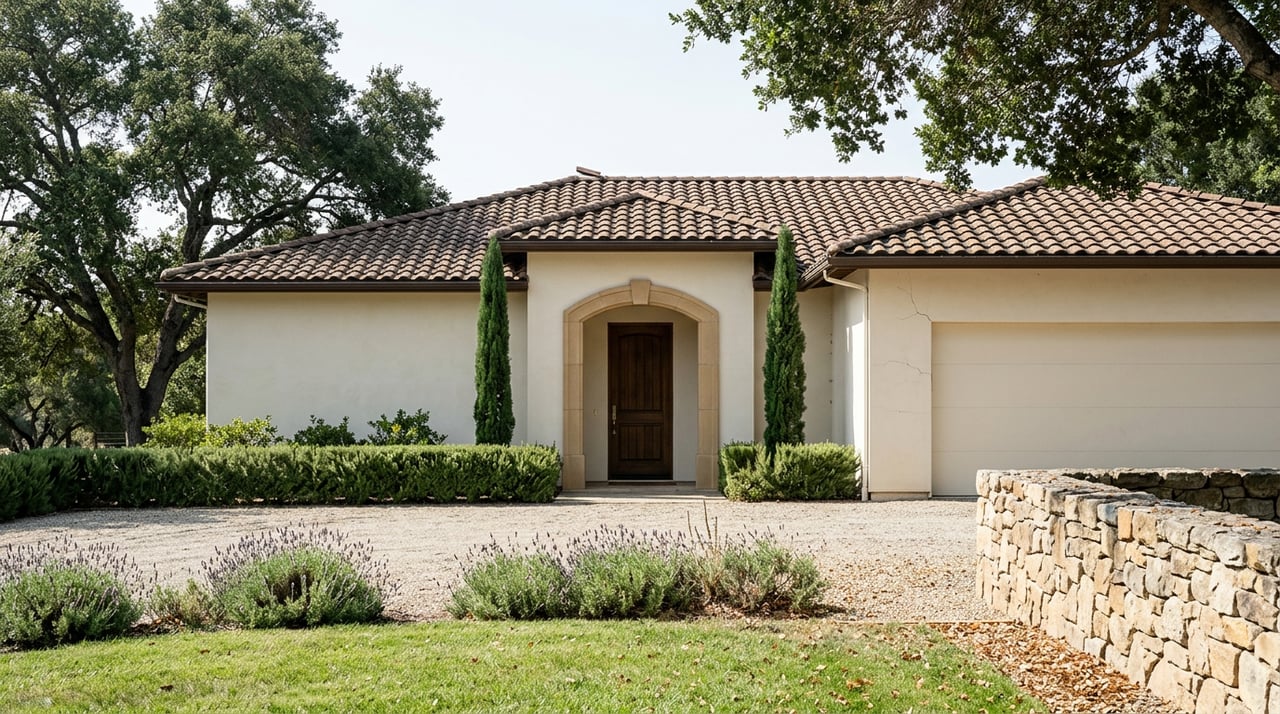
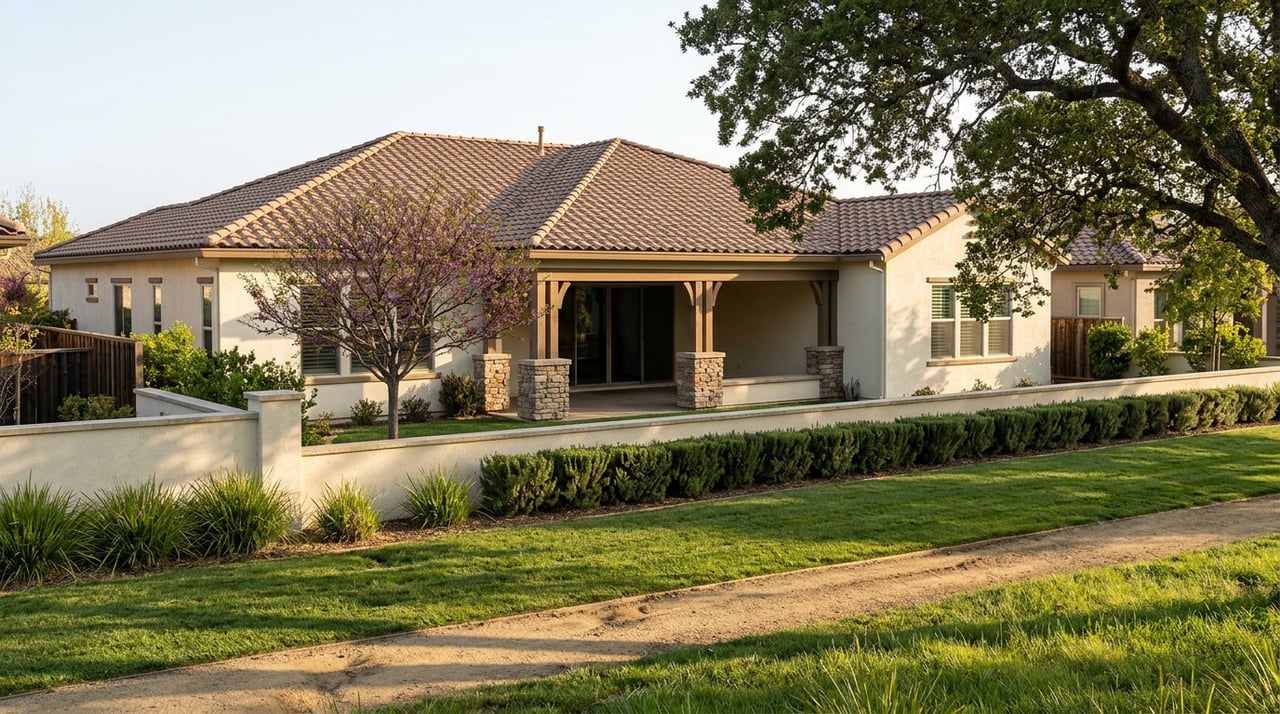
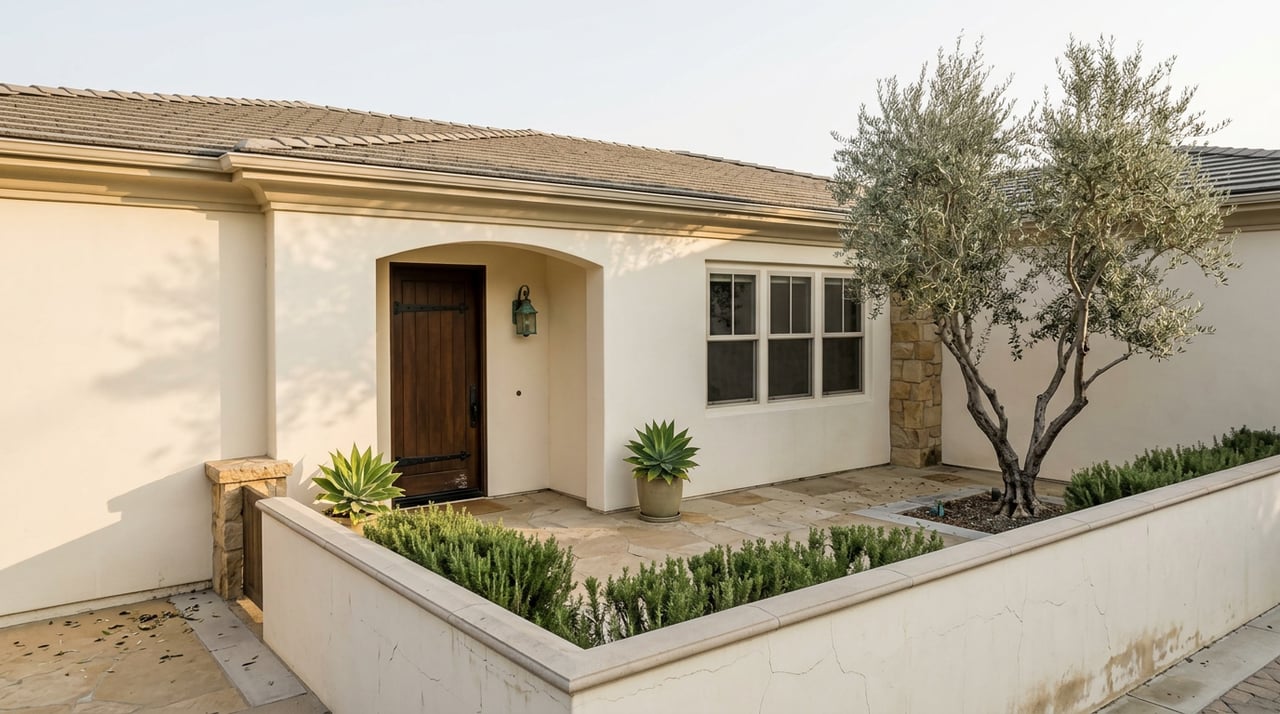
Granite Bay sits in unincorporated Placer County, and a meaningful share of its larger parcels run on private septic rather than a municipal sewer connection. That's normal for the area and not a red flag on its own. What catches people off guard is what Placer County's Division of Environmental Health requires before it will even open a file on a transfer.
To request a septic evaluation for a sale, the county wants a pumper's report showing the tank was pumped within the past three years. If it hasn't been, that pump-out has to happen first, and only then can the evaluation request move forward. If your last pump-out was five or six years ago, the countdown to your closing date effectively resets the moment escrow opens, because step one is scheduling a service that has to happen before step two can even be requested.
Once the pumper's report is in hand, the county's evaluation itself covers a few specific things: the tank's minimum capacity and physical condition, whether the system shows any signs of imminent failure such as surfacing effluent or unusually lush vegetation over the leach field, and whether there's enough verified replacement area to support a repair if the current system ever needs one. None of that is unusual as a checklist. What's unusual is how many sellers assume "get an inspection" means one call, one visit, one report, when it's actually a sequence with a hard prerequisite baked in.
The Permit Follows The Land, Not The Seller
Here's the detail that tends to surprise people the most: septic permit conditions in Placer County are binding on successive property owners for the life of the system. Whatever restrictions, repair area reservations, or maintenance requirements were attached to your parcel's permit don't reset when the title changes hands. A buyer isn't inheriting a clean slate. They're inheriting the same conditions the county attached years or decades earlier, whether or not anyone remembers what those conditions were.
For a buyer looking at Granite Bay homes for sale on a larger lot with mature landscaping and an older system, that means the smart move is pulling the actual permit history early in the process, not waiting for it to surface during the county's evaluation. For a seller, it means the paperwork trail from your own purchase, or from whoever built the house, is worth locating before you list rather than after an offer is already in hand.
What The Numbers Actually Look Like
The dollar figures involved are modest compared to Granite Bay's price points, but they matter because of when they show up, not how large they are.
Service | Typical Range |
|---|---|
Septic inspection alone | $300 to $500 |
Full-service inspection with pumping | $1,680 to $2,453 (as low as $517, as high as roughly $5,180 depending on tank size and access) |
Repair area or system installation, if the county's evaluation flags a problem | $4,582 to $6,547 (up to roughly $11,490 for more involved jobs) |
Elevation is the variable that pushes costs and complexity up on Granite Bay's hillier estate parcels. Homes on sloped lots sometimes rely on a lift station to move wastewater uphill to the tank, which adds a mechanical component the county evaluates separately and a maintenance item the buyer should understand going in.
Wells Add A Second Layer
Some of Granite Bay's larger estates draw from private wells rather than a public water connection, and occasionally hold water rights tied to their proximity to Folsom Lake (explore lifestyle around Granite Bay and Folsom Lake). A well changes the disclosure and financing picture in ways that stack directly on top of the septic questions.
FHA and VA lenders typically want to see a flow rate of at least three to five gallons per minute before they'll fund the loan, along with a recent water quality test. Because septic and well systems on the same parcel have to maintain adequate separation from each other, an appraiser reviewing a well-and-septic property is effectively checking two systems against each other, not just each one on its own. California's standard disclosure forms already require sellers to state whether a property is on septic or public sewer, and a well adds another item to that same disclosure conversation. None of this is exotic. It's simply more paperwork, arriving in a specific sequence, on a property type that Granite Bay has more of than most nearby communities.
Why This Matters More Right Now
Granite Bay's market through the first half of 2026 has been a study in patience rather than pressure (get a complimentary Granite Bay home valuation). The median sale price sat at roughly $1,265,000, essentially flat from the same period a year earlier, while the typical home took a median of 24 days to go under contract, up from about 16 days the year before. Closed sales dipped slightly as well. None of that suggests a market losing value. It suggests one where buyers finally have enough breathing room to ask for something other than an immediate, no-contingency close.
That shift matters directly for septic and well timing. In a market where homes were going under contract in two weeks, a seller with an overdue pump-out or a buyer with financing tied to a well flow test had almost no room to let the county's process run its natural course. With more days built into the average contract now, there's actual space to get the pumper's report done, request the evaluation, and let a repair-area verification happen without the whole deal hinging on a single rushed week. The market got a little slower. The paperwork didn't get any faster. That gap is where a well-prepared file, ordered early, becomes worth real money instead of just peace of mind.
A Few Questions From The Table
Does having a septic system make a Granite Bay home harder to sell? Not on its own. It's common enough in the area that buyers and lenders are used to it. The friction comes from timing, not from the system type itself, and a seller who has the pumper's report and evaluation history ready before listing tends to avoid the delay altogether.
If the home already has a well, do I still need a new water test? Most FHA and VA lenders will want a current test rather than relying on an older one, since flow rate and water quality can change. Budgeting for a fresh test before you're deep into escrow avoids a surprise mid-transaction.
Who pays for septic repairs if the county's evaluation flags something? That's a negotiation point between buyer and seller, not a fixed rule, and it usually gets resolved the same way any other inspection item does. Knowing the likely cost range ahead of time, rather than discovering it for the first time during a tense week of escrow, tends to produce a calmer conversation.
Septic and well questions are exactly the kind of detail that a financially minded approach to real estate is built to catch early rather than untangle late (read about how home insurance changes impact Placer County buyers). If you're weighing a Granite Bay purchase or getting ready to list an estate-sized lot, local real estate specialist Shawn Claycomb can walk through what your specific parcel's system history looks like and how to build enough time into your contract for the county's process to run cleanly. Request a complimentary home valuation to start that conversation before your closing date is the one doing the negotiating for you.