Thinking about a move to an active adult community? The short answer is that a 55+ community can be one of the best lifestyle decisions of retirement, offering low-maintenance living, built-in social connection, and thoughtful home design. But it is not the right fit for everyone (read our guide on whether a 55+ community is right for you), and the trade-offs (HOA fees, age restrictions, and limited on-site healthcare) deserve a clear-eyed look before you sign a purchase agreement.
This guide walks through the real pros and cons, the details most articles skip, and a close look at one of Northern California's most sought-after options: Sun City Lincoln Hills.
What is a 55+ Active Adult Community?
A 55+ community, also called an active adult community, is a residential neighborhood governed by an age restriction under the federal Housing for Older Persons Act (HOPA). Under HOPA's "80/20 rule," at least 80% of occupied homes must have one resident age 55 or older, which leaves some flexibility for spouses, caregivers, or younger family members in the remaining units.
These communities are built for independent, active adults, not for residents who need daily medical or personal care. That is the key difference from assisted living or independent care facilities: 55+ communities are homeowner-governed neighborhoods with no on-site nursing staff, while assisted living communities are licensed care facilities that provide meals, medication management, and hands-on support.
Types of Over-55 Communities
Not all active adult communities look the same. Most fall into a few broad categories, and many blend more than one:
- Luxury communities: Higher-end finishes, custom floor plans, and premium amenities, often with a country club feel.
- Golf and resort communities: Built around one or more golf courses, with clubhouses, pools, and resort-style programming as the social hub.
- Active adult communities: The broadest category, emphasizing fitness centers, walking trails, hobby clubs, and low-maintenance homes.
- Gated communities: Controlled access and added security, often layered on top of any of the categories above.
The Pros of Living in a 55+ Community
Active, Low-Maintenance Lifestyle
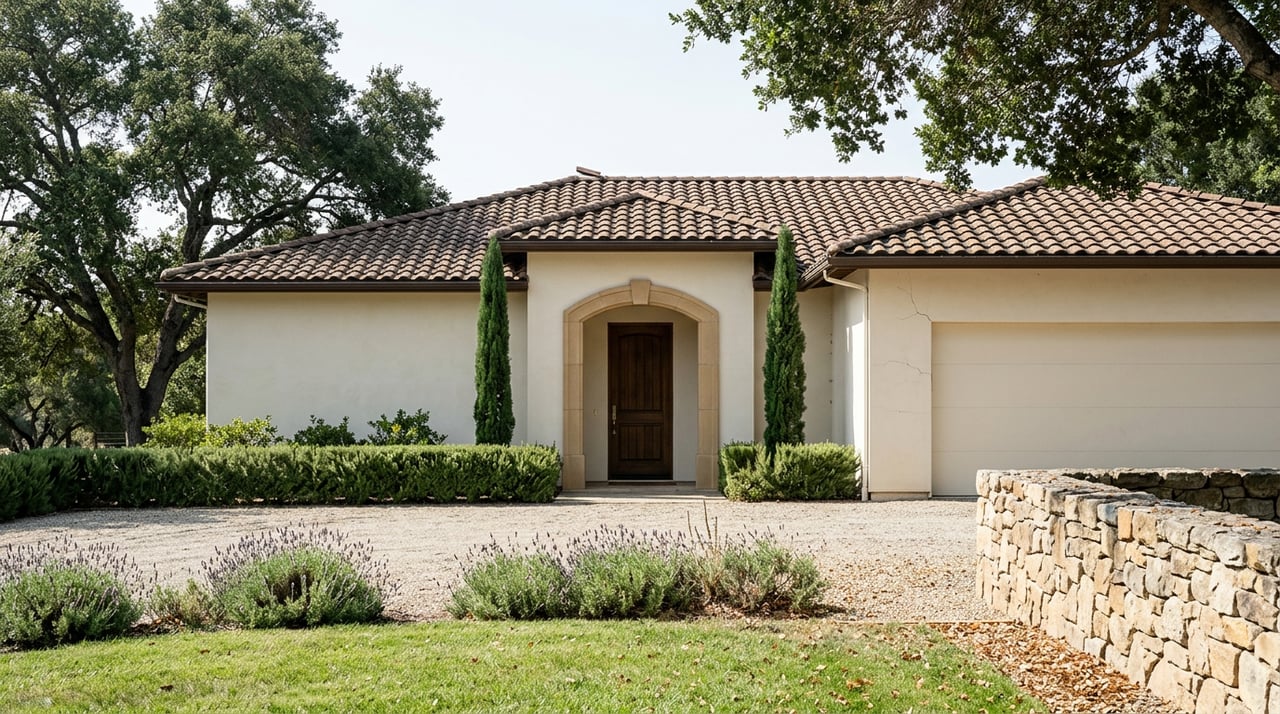
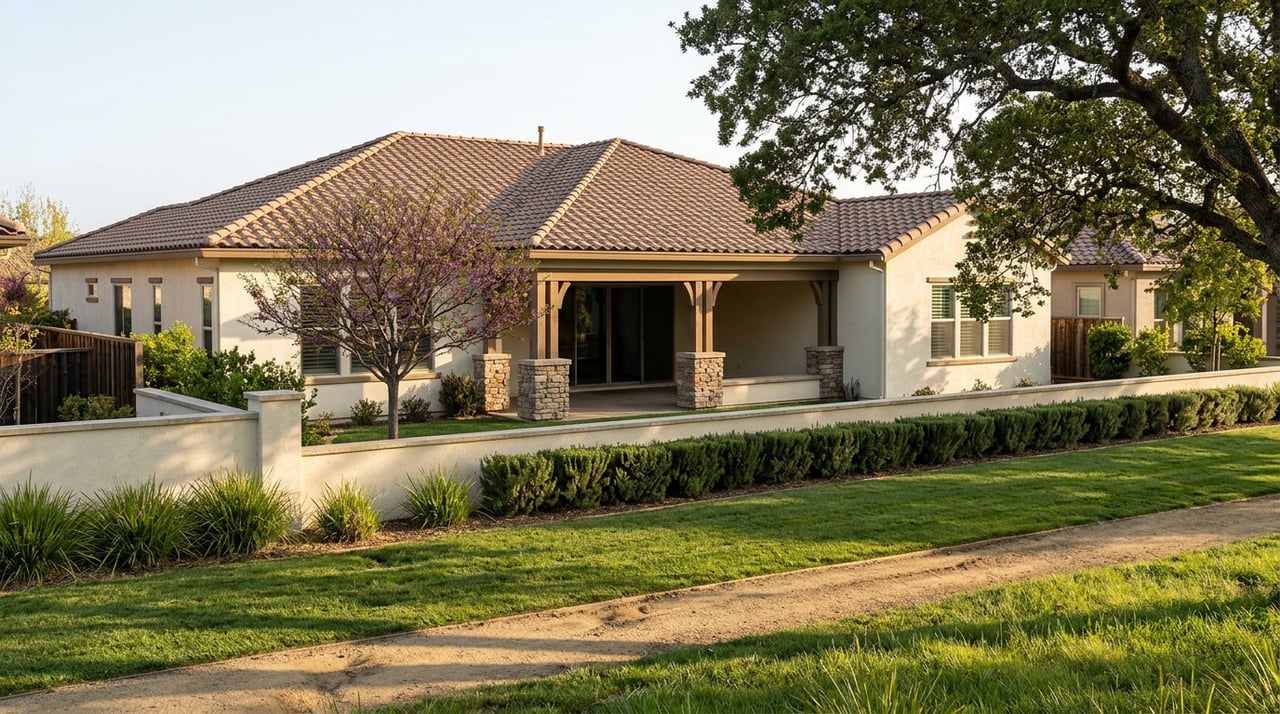
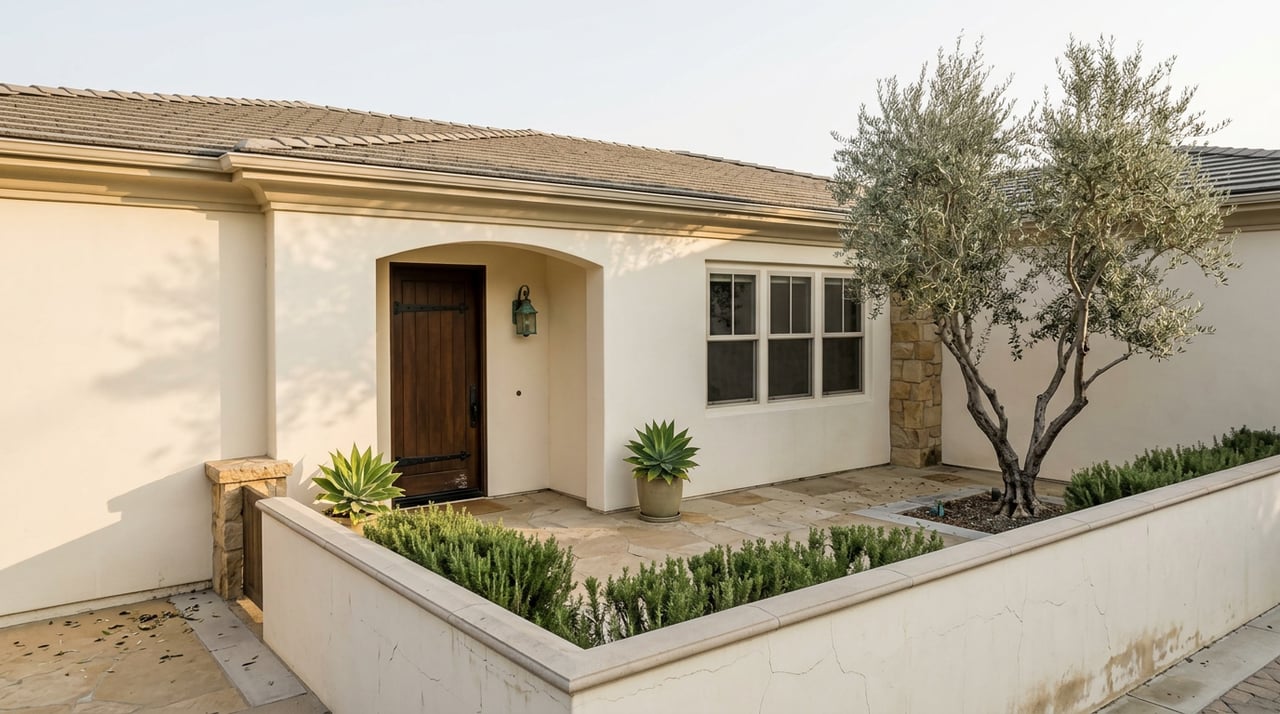
Most 55+ communities are built around single-story homes with smaller lot sizes, which means less yard work and fewer repairs. HOA dues typically cover exterior landscaping, common areas, and amenity upkeep, freeing up time for golf, fitness classes, or travel instead of gutter cleaning.
Enhanced Safety and Security
Many communities offer gated entry, patrol staff, or a lower overall crime footprint tied to their age-restricted, owner-occupied nature. For residents who live alone or travel frequently, that added layer of security offers genuine peace of mind.
Age-Tailored Housing Design and Accessibility
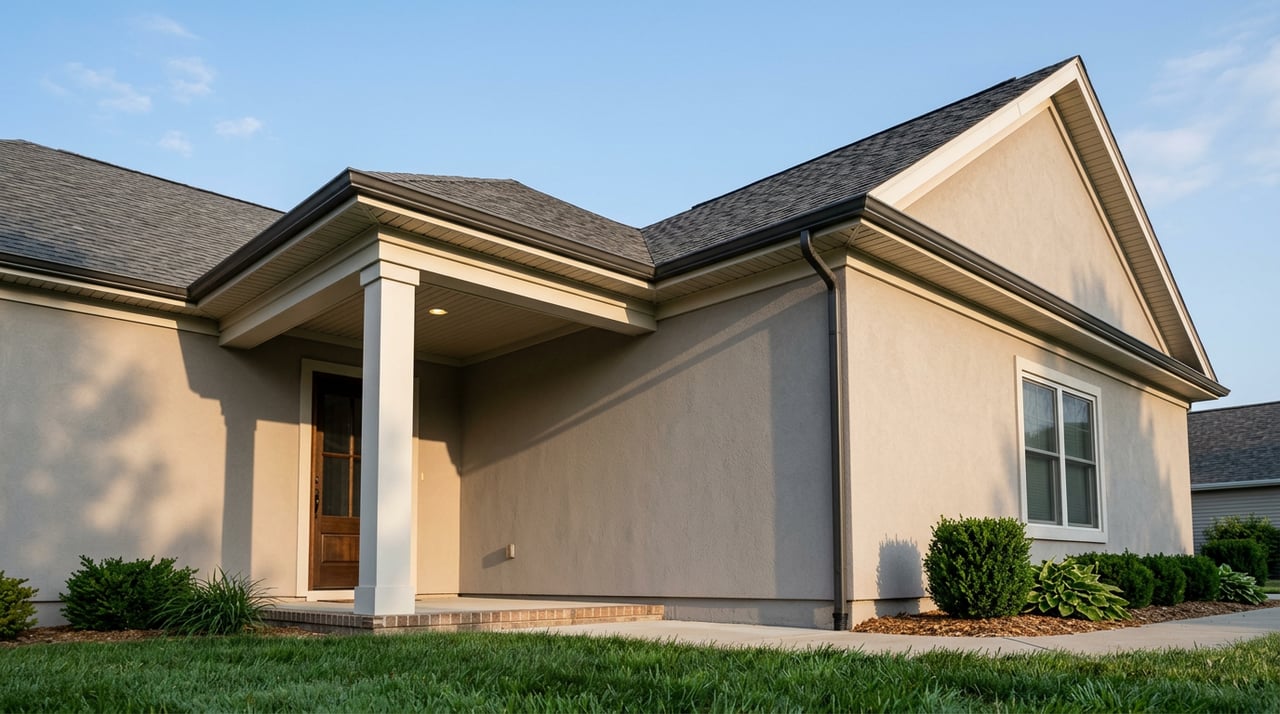
Builders design 55+ homes with aging in place in mind: wider doorways, walk-in showers, single-level layouts, and fewer stairs. These features reduce fall risk and make it easier to stay in the home longer without costly retrofits.
Instant Community, Amenities, and Peer Connection
Clubhouses, fitness centers, pools, and dozens (sometimes 80 or more) of interest-based clubs make it easy to build a social circle quickly. For newcomers who just relocated, this built-in community can matter as much as the home itself.
Quiet, Peaceful Environment
Without school-age children or the noise that comes with them, many 55+ communities feel noticeably calmer. That can be a real draw for residents who value quiet mornings and predictable neighborhood rhythms.
The Cons of Living in a 55+ Community
Financial Burdens and Rising HOA Fees
HOA dues fund the amenities that make these communities appealing, but they are a real, recurring cost that tends to rise over time as reserves, insurance, and maintenance contracts get more expensive (read more about HOA fees in Sun City Lincoln Hills explained). Buyers should always ask for the HOA's most recent budget and reserve study, not just the current monthly rate, before making an offer.
Strict Rules, Regulations, and HOA Politics
Age-restricted communities enforce CC&Rs (covenants, conditions, and restrictions) that govern everything from paint colors to parking. What many buyers overlook is the HOA board itself: these are volunteer-run bodies, and board turnover, personality conflicts, and disagreements over spending or rule enforcement can shape daily life as much as the written rules do. It is worth attending a board meeting or reviewing recent minutes before buying.
Lack of Age Diversity and Generational Isolation
By design, these communities limit contact with younger generations day to day. For some residents that is a feature, not a bug, but others miss the energy of a multigenerational neighborhood, especially if grandchildren live nearby.
No On-Site Assisted Living or Healthcare
A 55+ community is not a continuing care retirement community (CCRC). There are no licensed nurses, memory care units, or meal service built in. If health needs increase significantly, residents may eventually need to arrange in-home care or relocate to a facility that offers it.
Limited Resale Market and Inheritance Restrictions
Because buyers must generally meet the age requirement, the resale pool is naturally smaller than in an unrestricted neighborhood. This becomes especially relevant for estate planning: if adult children under 55 inherit the home, they typically cannot simply move in. Most communities cap the number of under-55 occupants under HOPA's 20% exception, so heirs generally have three options: sell the property, rent it out (often restricted to age-qualified tenants), or apply for one of the community's limited under-55 exception slots if any remain. Families should discuss this openly well before it becomes an urgent decision.
Spotlight on Sun City Lincoln Hills
Few places illustrate the appeal of age-restricted living better than Sun City Lincoln Hills in Placer County, California (read our complete Sun City Lincoln Hills guide). Built by Del Webb between 1999 and 2008, this master-planned community spans nearly 3,000 acres and includes 6,783 homes, making it one of the larger and more established options in Northern California.
Exploring senior active communities in Sun City Lincoln Hills
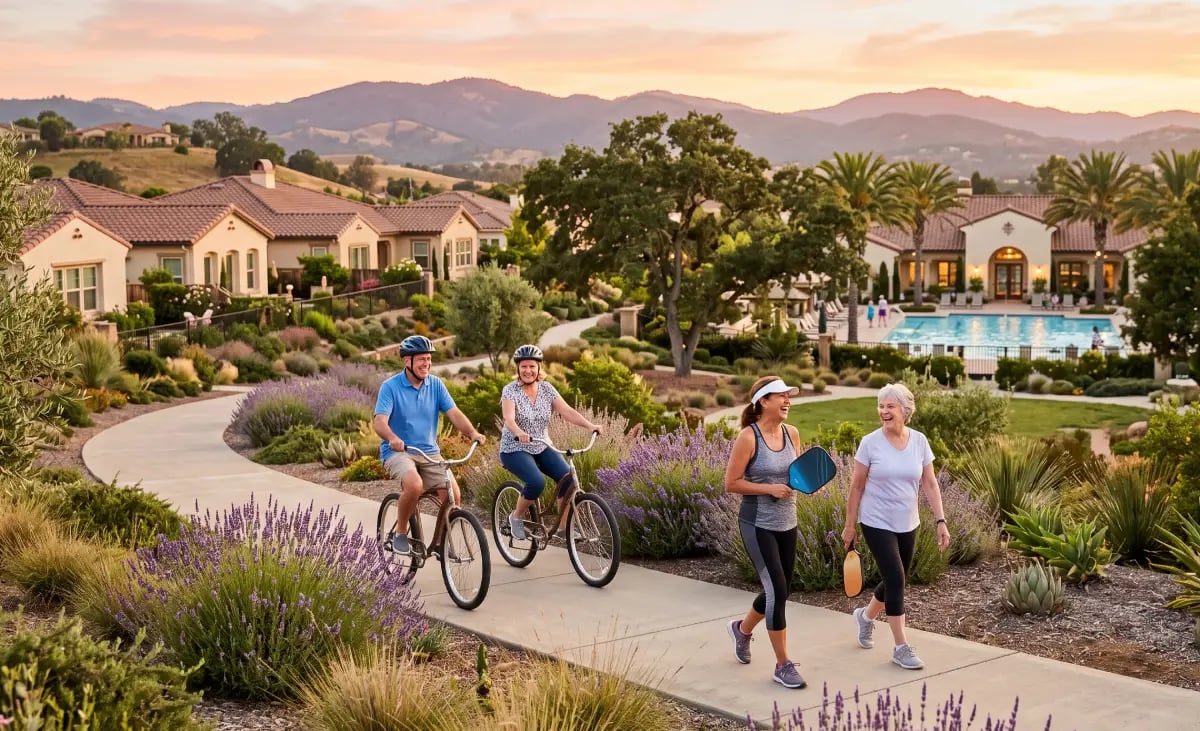
Among senior active communities in Sun City Lincoln Hills, two lodges anchor daily life: Orchard Creek Lodge and Kilaga Springs Lodge, each offering fitness centers, pools, and event space. Residents also have access to two championship golf courses, 27 miles of walking and biking trails, and 11 nature preserves covering 571 acres. More than 80 clubs cover everything from fitness to fine arts, and participation is entirely optional for residents who prefer a quieter pace.
What makes 55+ communities in Sun City Lincoln Hills unique?
What sets 55+ communities in Sun City Lincoln Hills apart is scale combined with predictability. HOA dues run about $188 per month for most homes (higher for the Villas near Topanga Lane, at roughly $578 per month), and that fee covers landscaping, amenities, trails, and community management (see our breakdown of what it really costs to own in Sun City Lincoln Hills). Home prices range from the mid-$400,000s to over $1 million, with a median around $640,000, and well-priced listings often sell within one to three weeks. The community sits about 30 miles (roughly 40 minutes) from downtown Sacramento, close enough for city amenities without the density.
How to choose the right retirement 55+ communities in Sun City Lincoln Hills
When comparing retirement 55+ communities in Sun City Lincoln Hills—or evaluating Sun City Lincoln Hills vs. Sun City Roseville—start with lifestyle priorities: golf access, proximity to a specific lodge, single-story floor plans, and how far you are willing to be from shopping and medical facilities (typically 15 to 25 minutes from the community's core; learn how to compare Sun City Lincoln Hills home models). Home age matters too. Most properties were built in the late 1990s through the 2000s, so budget for updates to kitchens, HVAC systems, or roofing on older resale homes. A local agent who knows the villages, HOA history, and current inventory can help narrow the search efficiently.
Frequently Asked Questions (FAQ)
Can you live in a 55-plus community if you're under 55?
Sometimes. Under HOPA's 80/20 rule, up to 20% of occupied homes can include residents under 55, which can cover spouses, caregivers, or other qualifying arrangements, but this varies by community and is not guaranteed.
Can grandchildren visit or live with you?
Visits are almost always permitted, though communities often cap how many consecutive days a minor can stay to preserve the community's age-restricted status. Long-term or permanent residency by grandchildren is generally not allowed outside the 20% exception.
Can you rent out your home in a 55+ community?
Often, yes, but tenants must typically meet the same age requirements as owners, and some HOAs require lease approval or set minimum lease terms. Check the community's specific rental policy before assuming you can lease freely.
The Bottom Line: Is a 55+ Community Right for You?
A 55+ community offers a genuinely appealing trade: less home maintenance, more built-in social connection, and thoughtful design for aging well, in exchange for HOA fees, age restrictions, and the absence of on-site medical care (read our comprehensive guide to buying a home in Sun City Lincoln Hills). For many retirees and near-retirees, that trade is well worth it, especially in an established, amenity-rich community like Sun City Lincoln Hills.
The right decision depends on your health outlook, financial picture, and how much you value community versus flexibility. If you are weighing a move to Sun City Lincoln Hills or comparing it to other Placer County options, local real estate specialist Shawn Claycomb specializes in this exact community and can walk you through current listings, HOA details, and the local resale market. Curious what your home is worth? Reach out for a no-pressure consultation or browse current Sun City Lincoln Hills homes for sale to see what fits your next chapter.