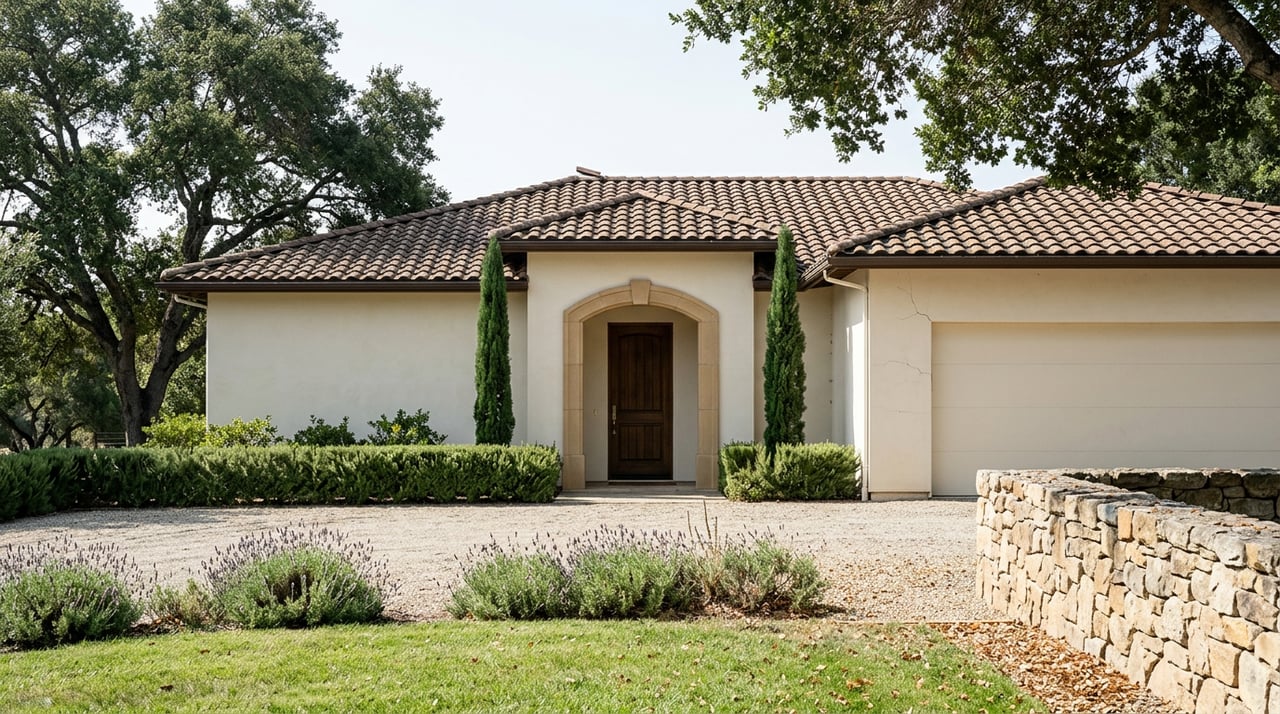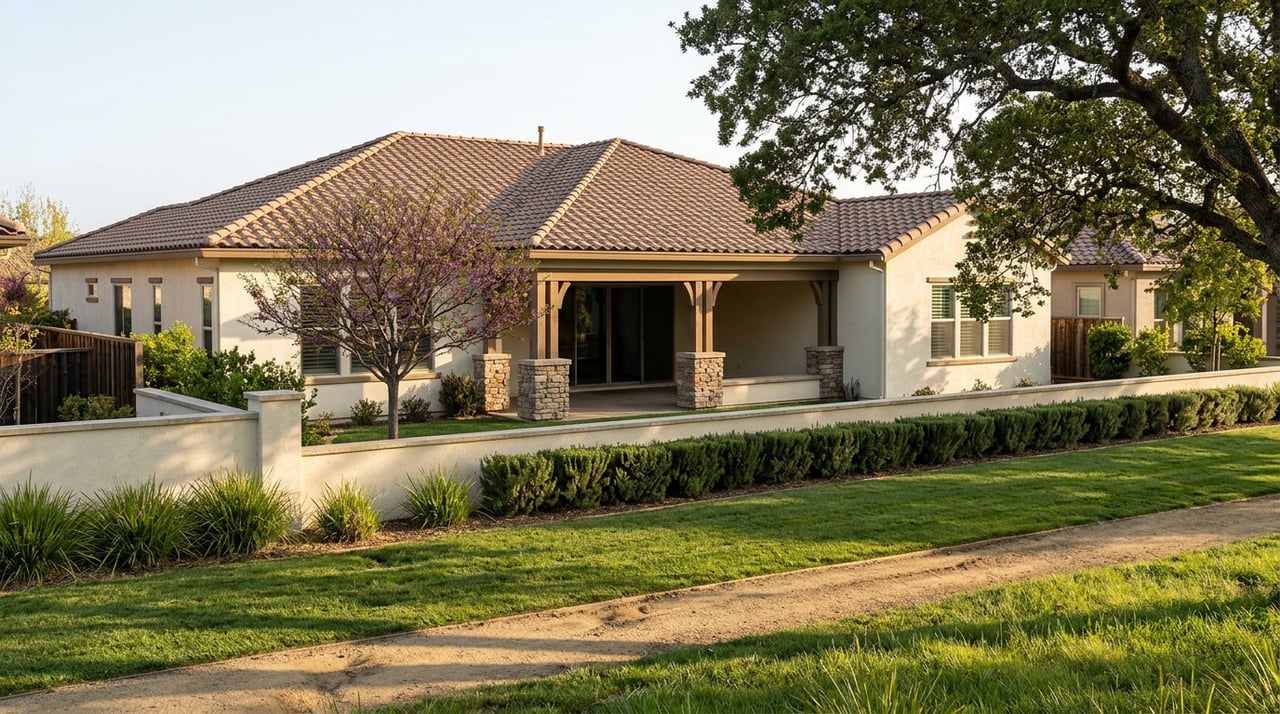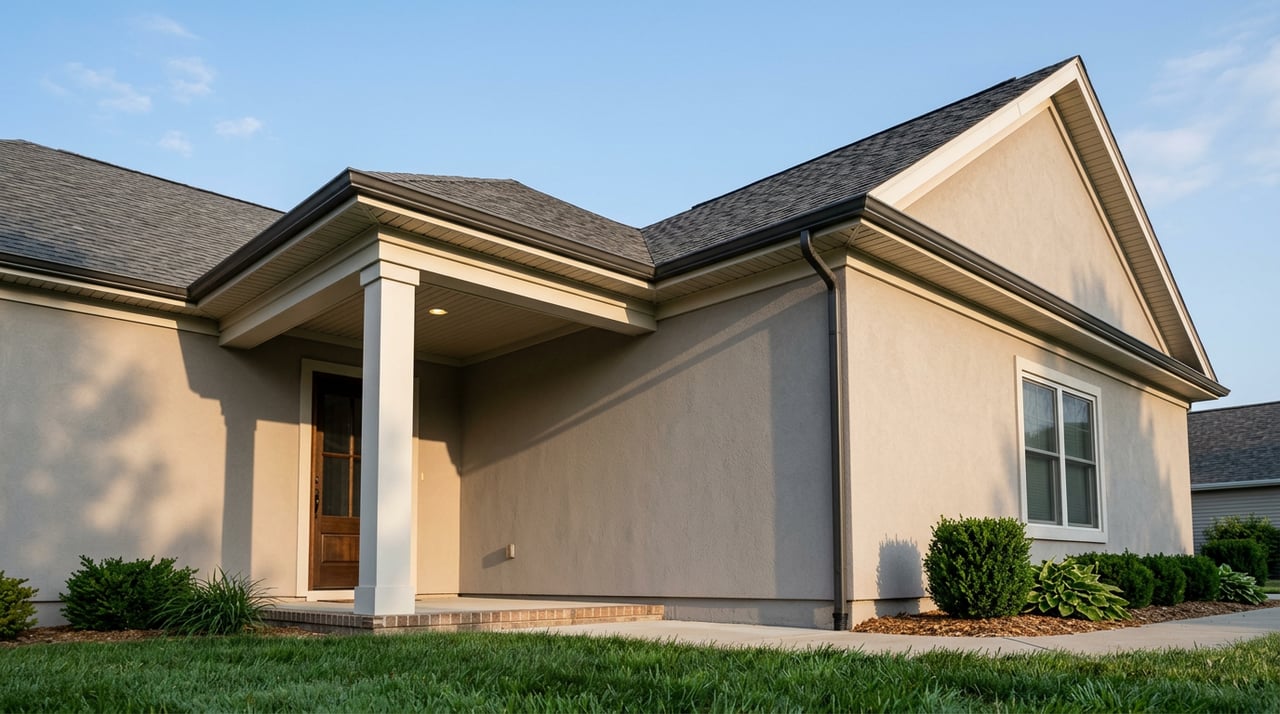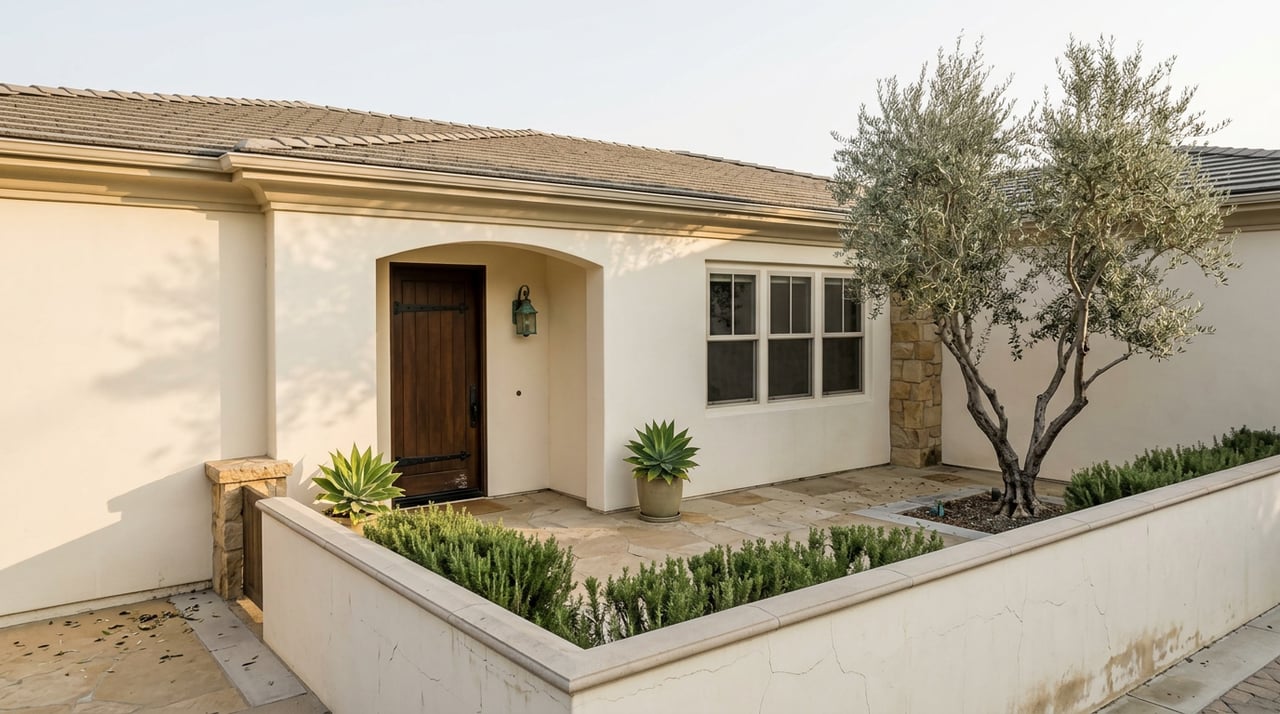
Walk any street in Sun City Lincoln Hills and count the repeated floor plans. Del Webb built more than 40 of them across the community's nearly 3,000 acres between 1999 and 2008, so the house at the end of the block and the house three doors down can share a foundation, a roofline, and a closing price to the dollar (explore all Sun City Lincoln Hills floor plans). What those two houses will not necessarily share is a property tax bill. One owner can pay a fraction of what the other pays every year on the identical home, and the difference has nothing to do with the house itself.
That gap traces back to one rule that gets misunderstood constantly: California's Proposition 19 base year value transfer. If you're weighing a move to Sun City Lincoln Hills against other options, understanding this rule matters more than any spread you'll find comparing median prices across listing sites (read our guide on what it really costs to own in Sun City Lincoln Hills).
What Prop 19 Actually Lets a Seller Do
For homeowners 55 and older, Prop 19 allows a seller to carry the taxable value of their old primary residence, not the sale price, into a new primary residence anywhere in California. This replaced the older Prop 60/90 rules, which generally required the replacement home to cost the same or less and limited transfers to a short list of participating counties. Prop 19 removed both restrictions. The replacement home can sit anywhere in the state, be worth any amount, and a homeowner can use the transfer up to three times in a lifetime, according to the California State Board of Equalization.
What decides how much of the old tax basis survives the move is the relationship between the old home's sale price and the new home's purchase price. Buy at or below the old home's full cash value and the entire old assessed value transfers with no adjustment at all. Buy above it within the first year and the state allows up to 105% of the original sale price before anything gets added. Wait into the second year and the ceiling rises to 110%. Anything above that threshold gets added to the old assessed value as new taxable value. It does not reset the whole thing to the new purchase price.
The Math, Worked Through
The Board of Equalization walks through this with an official example worth sitting with for a minute. A homeowner turns 55 and sells an original home for $700,000, carrying a factored base year value of $331,223. A month later, that same homeowner buys a replacement home for $750,000. Since $750,000 comes in above 105% of the original sale price, which works out to $735,000, the $15,000 difference gets added on top of the transferred base year value. The new taxable value lands around $346,223. Not $750,000.
Without a base year value transfer | With Prop 19 applied | |
|---|---|---|
Value used for assessment | $750,000 | $346,223 |
Rough annual tax at the 1% base rate | $7,500 | $3,462 |
That's a rough estimate off the standard Prop 13 base rate of roughly 1%, before any voter-approved bonds or special assessments land on the actual bill.
Now swap that $750,000 for a Sun City Lincoln Hills purchase closer to where recent sales have clustered. Trades in the community through the first half of 2026 have landed anywhere from the high $500,000s to the low $700,000s depending on model, condition, and lot, with some sources citing figures higher still (check current Sun City Lincoln Hills market report insights). A homeowner selling a larger, more expensive home in the Bay Area or Southern California and buying into Sun City Lincoln Hills homes for sale is very often buying below what the old home sold for. That means the entire old assessed value, however low it has sat for however many years under Prop 13's 2% annual growth cap, transfers intact.
The Buyer Who Gets None of This
Prop 19's base year value transfer is a California to California benefit only. A buyer relocating from Arizona, Texas, Nevada, or anywhere outside the state has no old California assessed value to bring along. Their Sun City Lincoln Hills purchase gets a brand new base year value set at whatever they paid for it, the same as anyone buying their first home in the state (read our guide to buying a home in Sun City Lincoln Hills).
This matters specifically here because Sun City Lincoln Hills draws a real mix of buyers from the Bay Area, Southern California, and out of state. Two of those buyers can write offers on the same model home in the same month, close at the same price, and end up on entirely different tax trajectories for as long as they hold the property. The in-state downsizer might be paying tax on an assessed value locked in decades ago. The out-of-state buyer is paying tax on this year's purchase price, full stop.
Mello-Roos Adds a Second Variable That Has Nothing to Do With Either of the Above
Because Sun City Lincoln Hills was built out over nearly a decade, from 1999 through 2008, much of its original construction carries Mello-Roos community facilities district bonds, and those bonds typically run 20 to 25 years from issuance. Homes financed early in the build-out are approaching the end of their bond terms. Homes finished later in the 2000s may still carry an active assessment for several more years. That charge shows up as its own line item on the tax bill, separate from the base rate, and it has no relationship to a buyer's Prop 19 status at all (read more about HOA fees and Mello-Roos in Sun City Lincoln Hills).
Two neighbors who both transferred a low base year value under Prop 19 can still owe meaningfully different totals once Mello-Roos gets added in, purely based on which phase of the community their particular home belongs to.
One Thing Worth Confirming Directly
County guidance pages don't always keep pace with changes in the law. Placer County's own disabled persons exclusion page still carries a line stating the county does not accept inter-county transfers, language left over from the pre-2021 Prop 60/90 era, before Prop 19 made these transfers statewide. If you're reading county material to plan a move, confirm the current mechanics directly with the Placer County Assessor's office rather than trusting any single page, this one included, to have caught every update.
Before You Write an Offer
- Pull your current home's most recent tax bill and find the factored base year value, not just what you originally paid for the house.
- Run your numbers through the assessor's own Prop 19 tools before assuming what a Sun City Lincoln Hills tax bill will look like on your end.
- Ask for the Mello-Roos or CFD disclosure on any specific listing you're serious about, and confirm whether that particular home's bond is still active or already retired.
- If you're relocating from outside California, budget for a full reassessment at purchase price. No part of Prop 19 applies to you.
- File form BOE-19-B with the Placer County Assessor only after both your sale and purchase have closed. It isn't handled through escrow, and it isn't automatic.
The list price tells you what a Sun City Lincoln Hills home costs to buy. It tells you almost nothing about what it will cost to hold, and that second number depends far more on where you're moving from than on which floor plan you choose.
Questions Worth Asking Before You Compare Two Offers
Do I have to buy somewhere in Placer County for this to apply?
No. The transfer works statewide, but you file the claim with the assessor in the county where your replacement home sits, not the county you're leaving.
Can I use this more than once?
Yes. Homeowners 55 and older can use the base year value transfer up to three times over a lifetime, according to the Board of Equalization.
Does the person on the new title have to be the same age-qualified owner from before?
At least one owner needs to have been 55 or older at the time the original home sold. Everyone on the new title doesn't need to meet that threshold, and both spouses don't need to have been on the original deed.
Every one of these numbers changes depending on the home you're selling, the timing of your purchase, and where you're moving from. If you'd like to see what your specific situation looks like before you write an offer, local specialist Shawn Claycomb can walk through the math with you directly, drawing on both a CFP background and firsthand residency in the community. Request a complimentary Sun City Lincoln Hills home valuation to start with real numbers instead of assumptions.
Related Blog Posts
- What It Really Costs to Own in Sun City Lincoln Hills
- HOA Fees in Sun City Lincoln Hills Explained
- Your Guide to Buying a Home in Sun City Lincoln Hills, CA
- Sun City Lincoln Hills vs. Sun City Roseville: Which Fits You?
- How to Compare Sun City Lincoln Hills Home Models
- Key Financial Questions Before Buying in Sun City Lincoln Hills